


If you've ever found tumbleweeds of fur rolling across your floorboards in spring, you're not alone. Seasonal dog shedding is a perfectly normal biological process, but without the right approach it can feel like a never-ending battle. The good news? With a few smart habits and the right tools, managing your dog's shedding through every Australian season is entirely achievable.
Why Dogs Shed Seasonally
Dogs grow and lose fur in cycles controlled by daylight exposure and temperature. As days lengthen heading into an Australian spring, most double-coated breeds "blow" their dense winter undercoat to prepare for warmer months. The reverse happens in autumn, when a lighter summer coat gives way to thicker insulation.
This cycle is driven by photoperiod — the number of daylight hours your dog experiences — rather than temperature alone. It's why even dogs living mostly indoors can still shed heavily; artificial lighting extends perceived daylight, sometimes causing low-level shedding year-round.
Single-coated breeds like Greyhounds and Maltese shed far less dramatically, but they still lose old or damaged hair regularly. Understanding your dog's coat type is the first step toward effective shedding management.
Heaviest Shedding Seasons in Australia
In most parts of Australia, the two peak shedding windows fall in September–November (spring) and March–May (autumn). Spring is typically the more intense of the two, as dogs release the thick undercoat they built up over winter.
Climate plays a role too. Dogs in Melbourne or Hobart, where winter temperatures drop more noticeably, tend to develop denser undercoats — and shed more dramatically — than dogs in Darwin or Far North Queensland. If you've recently moved states with your pet, expect the first year's coat cycle to be a little unpredictable as your dog adjusts.
Desexed dogs and senior dogs may also shed slightly differently due to hormonal changes, so keep that in mind when planning your grooming routine.
Proven Ways to Reduce Excessive Shedding
You can't stop a healthy dog from shedding, but you can absolutely reduce the volume of loose fur floating around your home. Here are the most effective strategies for managing your dog's shedding throughout the year.
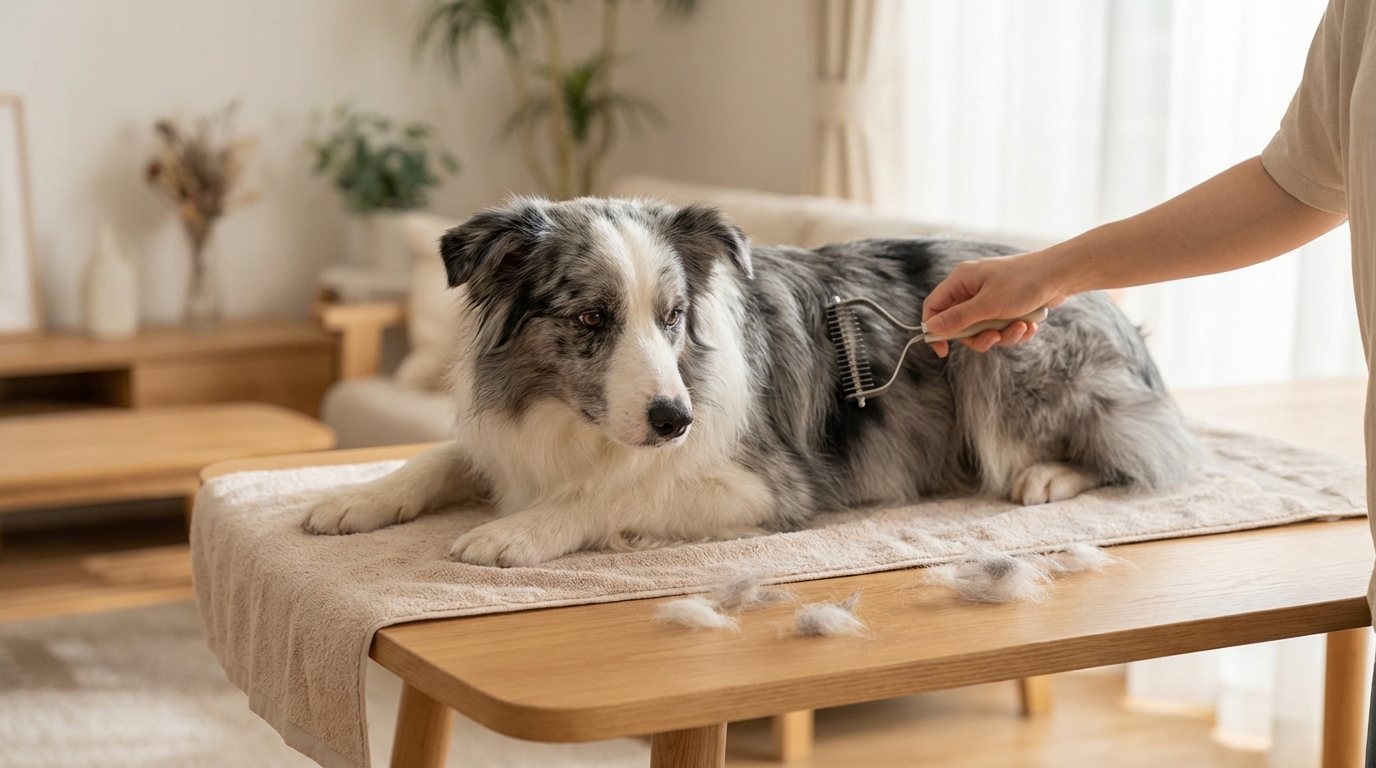
Brush regularly. During peak shedding season, brushing every day — or every second day — removes dead undercoat before it ends up on your couch. Outside of peak periods, two to three sessions a week is usually enough for most breeds.
Feed a quality diet. Nutrition has a direct impact on coat health. Look for foods rich in omega-3 and omega-6 fatty acids, which support skin hydration and a stronger, shinier coat. A dog with dry, flaky skin will shed more loose and damaged fur.
Bathe strategically. A warm bath with a gentle, soap-free shampoo during heavy shedding periods helps loosen dead fur so you can brush it out in one go. Avoid over-bathing though — once every three to four weeks is plenty for most dogs.
Quick tip: Brush your dog outdoors during heavy shedding weeks. You'll save yourself a mammoth vacuuming session, and the birds in your garden will happily use the loose fur for nesting material.
Keep parasites under control. Fleas, ticks, and mites cause itching and skin irritation that leads to excessive scratching and patchy fur loss — which is very different from normal seasonal shedding. Staying on top of flea and tick prevention is one of the simplest ways to keep your dog's coat in top condition.
Stay hydrated. Ensure fresh water is always available. Dehydrated skin sheds more, and Australian summers can dehydrate dogs faster than owners realise — particularly in inland and northern regions.
Tools and Products That Help
The right grooming tools make a genuine difference. For double-coated breeds like Australian Shepherds, Border Collies, and German Shepherds, an undercoat rake or deshedding tool reaches beneath the topcoat to remove loose fur at the source.
Slicker brushes work well for medium and long coats, while a rubber curry brush is ideal for short-coated breeds like Staffies and Boxers. Using the wrong brush can irritate skin or miss the undercoat entirely, so match the tool to the coat type.
Beyond brushes, consider a high-velocity pet dryer if you bathe your dog at home. These blowers push loose fur out of the coat far more effectively than towel-drying alone. Browse our full range of dog care products to find grooming essentials and parasite prevention that support a healthy coat year-round.
Omega fatty acid supplements — available as oils or chews — are another worthwhile addition if your dog's diet doesn't already include them. They won't eliminate shedding, but they can noticeably improve coat quality over four to six weeks.
When Shedding Signals Something More
Normal seasonal shedding is diffuse and even across the body. If you notice bald patches, red or inflamed skin, excessive scratching, or fur that comes out in clumps, something else may be going on.
Common culprits include flea allergy dermatitis, fungal infections, hormonal imbalances like hypothyroidism, and environmental allergies — all of which are prevalent across Australia's varied climates. Stress, poor nutrition, and underlying illness can also cause abnormal hair loss.
If your dog's shedding pattern suddenly changes or you spot any of the warning signs above, it's worth having a chat with your vet to rule out medical causes.
Frequently Asked Questions
How long does seasonal shedding usually last?
Most dogs shed their seasonal coat over a two- to four-week period, though some heavy-coated breeds can take up to six weeks. Consistent brushing during this window helps speed the process and keeps loose fur under control.
Can shaving my dog reduce shedding?
Shaving a double-coated dog is generally not recommended. The undercoat serves as insulation against both heat and cold, and shaving can disrupt the natural growth cycle, sometimes causing the coat to grow back unevenly. Thorough brushing and deshedding are far safer and more effective.
Do indoor dogs shed less than outdoor dogs?
Not necessarily. Indoor dogs are exposed to artificial light for longer periods, which can actually cause them to shed lightly all year rather than in distinct seasonal bursts. Regular grooming is just as important for indoor dogs as it is for those who spend most of their time outside.
Ready to keep your dog's coat healthy through every season? Explore our full range of dog health and grooming products at Sierra Pet Products and find everything you need to stay ahead of shedding season.