


When temperatures soar past 35 °C across much of Australia, keeping pets cool through summer becomes just as important as sunscreen is for us. Dogs and cats can't regulate their body temperature the way humans do, so heat-related illness can escalate fast. With a few simple habits and the right gear, you can make sure your furry mates stay comfortable and safe from November right through to March.
Recognising the Signs of Overheating
Heatstroke can develop in minutes, especially in brachycephalic breeds like bulldogs, pugs, and Persian cats. Knowing what to look for is the first step in dog heat safety — and it applies to cats, rabbits, and other small pets too.
Watch for heavy panting, drooling, bright-red gums, lethargy, or stumbling. Vomiting and collapse are late-stage signs that need urgent veterinary attention.
If you suspect heatstroke, move your pet to a cool area immediately, offer small amounts of water, and apply damp (not ice-cold) towels to their neck, armpits, and groin. Then head straight to the vet.
How to Keep Dogs Cool in the Heat
The simplest summer pet care tip for dogs is to shift exercise to early morning or late evening. Pavement temperatures can hit 60 °C on a 35 °C day — hot enough to blister paw pads in seconds. Place the back of your hand on the ground for five seconds; if it's too hot for you, it's too hot for your dog.
Cooling mats, frozen treat toys, and shallow paddling pools are cheap ways to bring temperatures down. A damp bandana around the neck works surprisingly well on walks, too.
Make sure your dog's summer essentials — from parasite prevention to hydration bottles — are stocked up before the peak of the season. Running out of flea and tick protection mid-January is an invitation for trouble.
Quick tip: Freeze a mixture of low-sodium bone broth and blueberries in a silicone mould for a quick, hydrating treat that keeps dogs busy and cool for 15–20 minutes.
Summer Care Tips for Cats
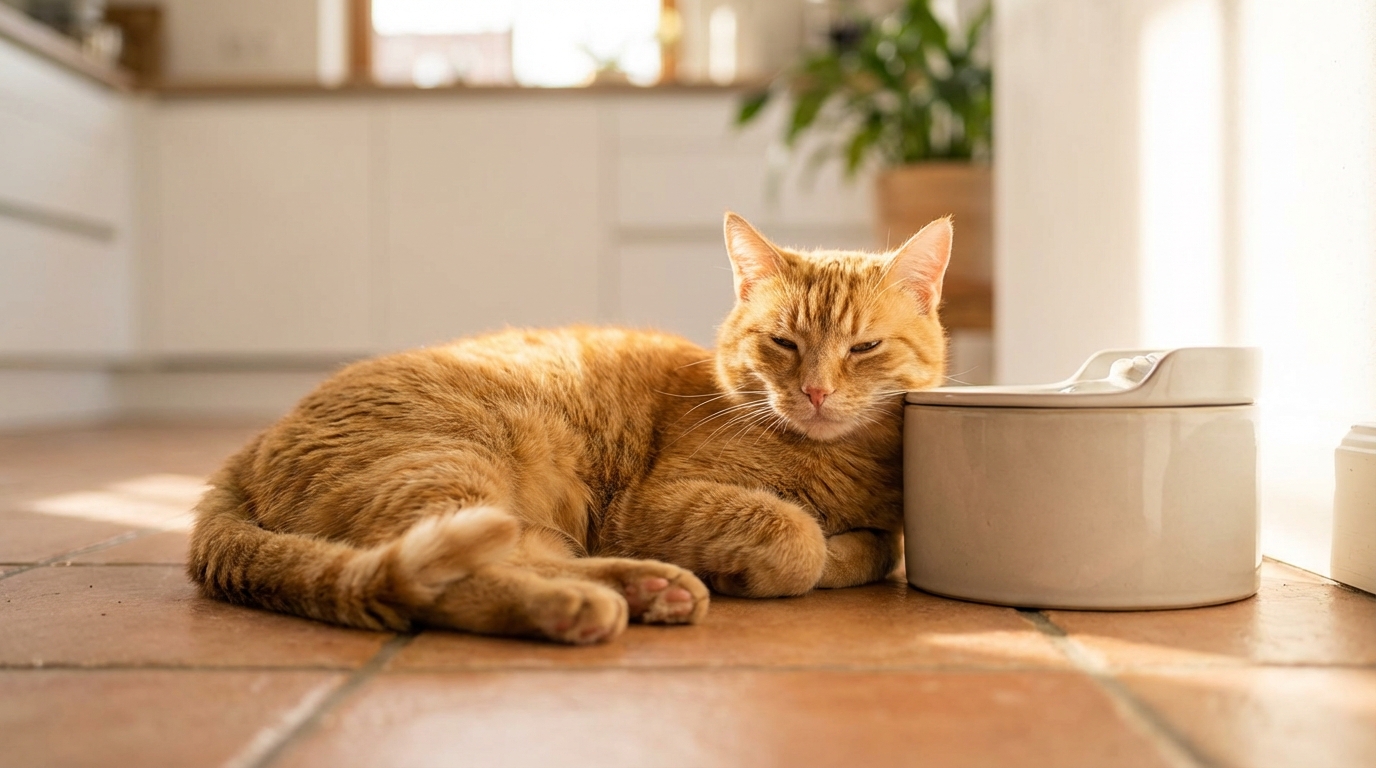
Cats are masters at finding cool spots, but they still need our help during extreme heat. Keep blinds or curtains closed in sun-facing rooms, and place a fan near their favourite resting area to circulate air.
Provide multiple water stations around the house. Many cats prefer running water, so a pet fountain can encourage them to drink more. Adding a couple of ice cubes to their bowl is another easy trick.
Outdoor and indoor-outdoor cats face extra risks: sunburn on pale ears and noses, encounters with snakes becoming more active in warm weather, and a surge in fleas and ticks. Browse the latest cat care products to make sure protection is up to date before things heat up.
Hydration, Shade, and Smart Scheduling
Access to fresh, clean water is non-negotiable. On scorching days, check water bowls every few hours — they can warm up or even evaporate faster than you'd expect, particularly metal bowls sitting in direct sunlight.
If your pet spends time outdoors, ensure there's reliable shade from a tree, sail, or covered kennel. Dog houses with poor ventilation can actually trap heat, turning into ovens rather than shelters.
Schedule grooming strategically. A light trim can help thick-coated breeds like Samoyeds or Maine Coons, but never shave a double-coated dog down to the skin — their undercoat actually provides insulation against both heat and UV.
And the golden rule: never leave a pet in a parked car. Even with windows cracked, interior temperatures can climb to 50 °C within ten minutes on a 30 °C day. In most Australian states, leaving an animal in a hot vehicle is a criminal offence.
Why Parasite Prevention Peaks in Summer
Warm, humid conditions are paradise for fleas, ticks, and mosquitoes. Paralysis ticks are particularly dangerous along the east coast from Queensland down to northern Victoria, with activity peaking between September and March.
Mosquitoes carry heartworm, which remains a real concern in many parts of Australia. A consistent year-round prevention schedule is ideal, but if you've let it lapse, summer is the most critical time to restart.
Keeping pets cool in summer goes hand in hand with keeping them parasite-free. Overheated, dehydrated animals are more vulnerable to secondary infections and slower to recover from tick paralysis.
Stick to vet-grade preventatives and maintain a regular dosing calendar. Setting a phone reminder on treatment day is one of the easiest summer pet care habits you can build.
Frequently Asked Questions
What temperature is too hot to walk my dog?
As a general guide, if the air temperature is above 32 °C, most dogs are better off skipping their walk or keeping it very short and on grass. Flat-faced breeds, senior dogs, and puppies are at higher risk and should stay inside during the hottest parts of the day.
Do cats get heatstroke too?
Yes. Cats are just as susceptible to heat-related illness as dogs, though they tend to hide symptoms longer. Long-haired breeds, overweight cats, and those with heart or respiratory conditions are especially vulnerable. Look for open-mouth breathing — it's abnormal in cats and signals distress.
Should I clip my pet's coat short for summer?
A light trim can help, but avoid shaving double-coated breeds. Their undercoat insulates against heat and protects skin from sunburn. Ask a professional groomer what length suits your pet's coat type and lifestyle.
Summer in Australia is brilliant — long days, beach trips, and backyard barbecues — but it demands a little extra vigilance when it comes to our pets. Stock up on parasite prevention and summer essentials, keep water bowls topped up, and have a quick chat to your vet if you're unsure about your pet's heat tolerance. A few small steps now mean a safer, happier season for everyone.