

Nylabone chews are a go-to for many Australian dog owners who want a tidy, long-lasting option that won’t stink out the house. But are they actually better value than other chew types once you factor in durability, safety, and your dog’s chewing style? This Nylabone review breaks down where Nylabone products shine—and when an alternative may stretch your dollar further.
What “value” really means for dog chews
Value isn’t just the ticket price—it’s what you get per week of use, plus how well the chew fits your dog’s needs. A cheaper chew that lasts 20 minutes (or gets hidden under the couch) can cost more in the long run than a higher-quality chew your dog returns to daily.
For most households, good value comes down to four things: durability, low mess, appropriate hardness, and how much your dog actually engages with it. If your dog ignores it, it’s not value—no matter the brand.
- Durability: How long it survives your dog’s chewing strength.
- Safety & suitability: The right size and texture for your dog’s jaw and chewing habits.
- Cleanliness: Odour, crumbs, staining, and what it does to rugs or couches.
- Purpose: Daily boredom-buster vs. training reward vs. enrichment when you’re out.
Where Nylabone products usually win on value
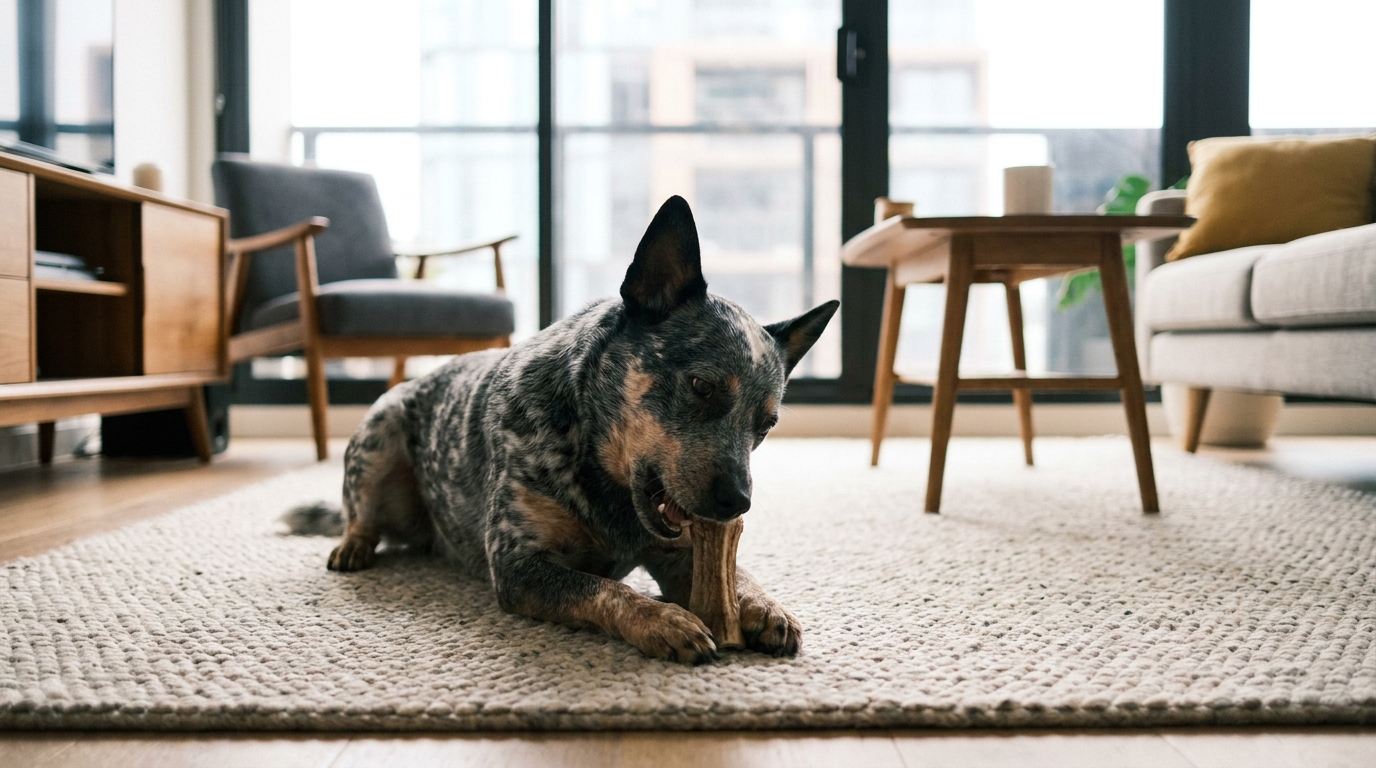
Most Nylabone products are designed to be long-lasting, low-odour, and low-mess. That combination is a big reason they’re often perceived as “better value”, especially for indoor dogs or apartments where smell and crumbs are deal-breakers.
Durable chewing time is the main value lever. If your dog is a dedicated chewer, a single Nylabone can provide repeated sessions over weeks (sometimes longer), which can compare favourably to chews that are consumed quickly.
Another value point is predictability. With many natural chew styles, you can see big variations between pieces. With a manufactured chew, the size and feel are more consistent, making it easier to repurchase the same item and get the same result.
If you’re comparing options and want to browse the range in one place, see our Nylabone collection for different sizes and chew styles.
When alternatives can be better value
Nylabone isn’t automatically the best-value choice for every dog. Alternatives can deliver better value when your dog’s needs don’t match a long-lasting chew—or when you’re chasing a different kind of benefit, like higher food motivation.
For light or “social” chewers, a very durable chew can be less appealing. If your dog prefers something they can actually make progress on, an alternative that provides a quicker payoff can lead to better engagement, even if it doesn’t last as long.
For highly food-motivated dogs, chews that offer a stronger reward element may provide better value in behaviour terms (less barking, less boredom, fewer “creative” home renovations). If the chew keeps them occupied while you’re on a work call, that’s real value—even if it’s not the longest-lasting option.
Quick tip: If you’re trialling a new chew type, buy one and observe for a week. Track how often your dog returns to it, how messy it is, and whether pieces break off—then decide if it’s worth stocking up.
For extreme power chewers, value depends on how the chew wears. If your dog quickly shaves off chunks, that can shorten lifespan and reduce value. In that case, the “best value” is usually the chew that stays intact longer without creating risky fragments—so always match the product’s chew strength rating to your dog.
How to choose the best-value chew for your dog
Start with your dog, not the brand. The best-value chew is the one that fits your dog’s size, chewing intensity, and lifestyle—especially in Australia where hot weather can change what’s practical (hello, melted treats in the car and outdoor chews that attract ants).
- Puppies: Look for gentler chewing options designed for developing teeth and gums. Value here is “safe comfort” more than “lasts forever”.
- Adult moderate chewers: Many households find a balanced option offers the best cost-per-week because it’s used regularly and doesn’t vanish in one sitting.
- Power chewers: Prioritise the correct size and strength rating. If you’re replacing chews constantly, it’s rarely good value.
Also think about where the chew will be used. If it’s mainly an indoor chew, low-mess and low-odour matter more. If it’s for backyard downtime, you might tolerate more crumbs or smell if the engagement is better.
Finally, consider rotation. Many dogs stay interested longer when you swap chews every few days. That can improve value by keeping each item “novel” rather than letting it become furniture.
A quick buying checklist (so you don’t waste money)
Use this quick checklist before you add anything to cart—especially if you’re comparing a Nylabone chew to other options. It helps you avoid the most common “bought it, dog ignored it” scenarios.
- Size up, not down: Choose the correct size for your dog’s weight and jaw. Too small gets destroyed faster and can be unsafe.
- Match chew strength: Be honest about how your dog chews—gnawing vs. crunching vs. trying to break pieces off.
- Check wear: A little surface wear is normal; replace if it becomes sharp, heavily gouged, or develops large pieces.
- Mess tolerance: If you hate crumbs on the rug, pick a low-mess option from the start (you’ll actually use it).
- Household fit: Multi-dog homes often need multiple chews to avoid guarding—value includes a calmer household.
If you’ve decided a durable, low-mess chew is the priority, it’s worth exploring our range of Nylabone products and selecting by size and chew style.
Frequently Asked Questions
Is a Nylabone chew good value if my dog only chews for a few minutes?
It can be, if your dog comes back to it repeatedly over days or weeks. If they lose interest quickly and never return to it, an alternative style that better matches their motivation will usually be better value.
How long should a chew last to be “worth it”?
There’s no perfect number because it depends on chewing strength and frequency. As a practical guide, a good-value chew is one your dog uses most days without creating sharp edges or large broken pieces.
How do I know when to replace a chew?
Replace it if it becomes small enough to swallow, develops sharp points, or starts shedding larger fragments. Supervise chew sessions and choose the correct size and strength rating to reduce premature wear.
Ready to compare options by size and chewing style? Browse our Nylabone range and choose a chew that matches your dog’s habits—then chat to your vet if you’re unsure what’s safest for your dog’s teeth.