


FURminator has built a loyal following because it tackles one of the biggest day-to-day pet hassles: shedding. If you’re comparing grooming tools and want fewer tumbleweeds of fur around the house, this brand is often the first name pet owners mention.
A deShedding tool is designed to remove loose hair from a pet’s undercoat (the dense, insulating layer beneath the topcoat) before it ends up on floors, furniture, and clothes. Used correctly and on the right coat type, it can be a practical way to manage seasonal coat blow and everyday shedding.
This brand review breaks down why so many Australians keep reaching for FURminator, what makes it different, and how to choose the right option for your pet—without overdoing it or using the wrong tool for the wrong coat.
Why it’s so popular with pet owners
Shedding can feel relentless in Australia—humid coastal summers, dry inland winds, and warm houses in winter can keep coats cycling almost year-round. A big reason FURminator stays popular is that it’s designed to target loose undercoat more effectively than many everyday brushes, which is exactly what many owners need in a busy household.
For multi-pet homes, that time saving is a major win: fewer long grooming sessions, less fur on bedding, and less vacuuming. When you use the correct tool for the coat type, it can be a practical deShedding tool for double-coated dogs and cats that drop undercoat in clumps during seasonal coat blows.
If you’re deciding whether the brand is worth it, start by browsing the FURminator range at Sierra Pet Products to see which tools match your pet (cat vs dog, short vs long coat).
What makes it different from standard brushes
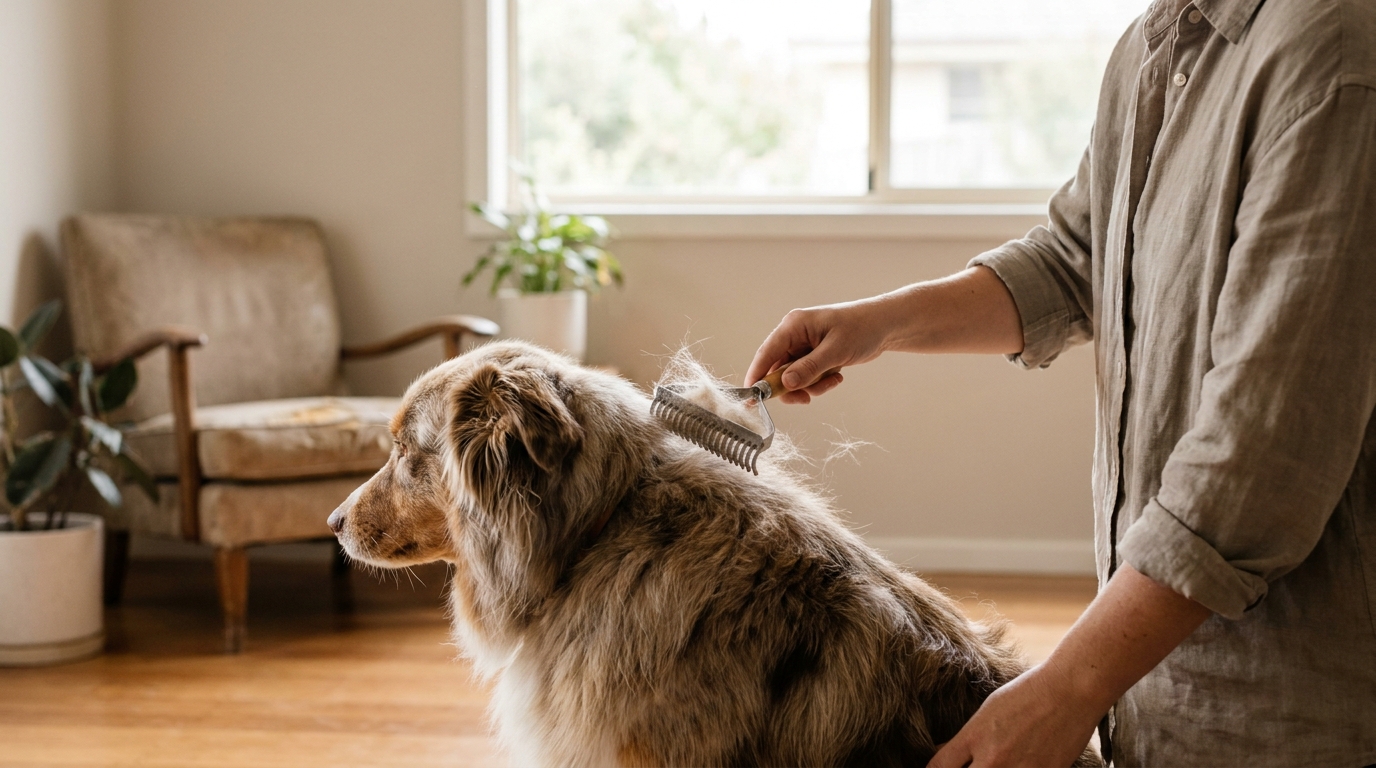
A typical slicker brush or comb is useful for surface grooming and minor tangles, but it may not pull out much undercoat—especially on thick, double-coated breeds. FURminator deShedding tools are designed to reach through the topcoat and lift out loose undercoat hair before it drops around your home.
That difference matters because “more fur” doesn’t mean you should brush harder. The aim is to remove hair that’s ready to come out, not scrape the coat. Many owners like the ergonomic handle for control, and the design details that make grooming feel more predictable for wriggly pets.
Depending on the model, you’ll often see practical features such as an edge guard (to help reduce over-brushing) and a fur ejector button (so you can clear the tool quickly between passes). Those small details can make routine grooming faster and less fiddly—particularly when you’re working through a dense undercoat.
Which tool to choose: coat length, size, and pet type
One reason the brand has such a strong reputation is the breadth of options available. Instead of a one-size-fits-all approach, the range is tailored by species, coat length, and size—so you’re more likely to get a tool that suits your pet’s coat rather than fighting it.
When choosing, focus on three things:
- Species: Dog tools and cat tools are designed differently for coat density and typical grooming tolerance. If you’re looking for an undercoat grooming option for cats, start with cat-specific tools rather than downsizing a dog tool.
- Coat length: Short hair and long hair tools aren’t interchangeable. A short coat tool is built to suit shorter topcoat length, while long coat versions are designed to work through longer guard hair without snagging.
- Size: A smaller head can be easier to manoeuvre around armpits, chests, and tails on cats and small dogs, while larger dogs benefit from wider coverage on the back and sides.
It also helps to be clear about who it’s not for. DeShedding tools are generally intended for pets that actually have undercoat to remove. If your dog has a single coat (no true undercoat), a gentler brush is usually a better match.
Caution on coat types: Deshedding blades and similar undercoat-removal tools are often not recommended for curly or wool-type coats (including many Poodle crosses), hairless breeds, or some hand-stripped/wire coats where coat texture and maintenance needs are different. If you’re unsure what coat type your pet has—or you’re trying to maintain a specific coat finish—ask a professional groomer for guidance before using any tool designed to remove undercoat.
On the other hand, double-coated breeds such as German Shepherds, Labradors, Border Collies, and many spitz-type dogs are the classic “undercoat shedder” profile. For cats, many domestic shorthairs and longhairs will shed plenty, but coat density and sensitivity vary widely.
Quick tip: If your pet has a single coat (no undercoat), a deShedding tool may not be the best match. Stick to a gentler brush style and use the deShedding tool only if the coat type is suitable.
Not sure where to start? Filter by your pet’s coat type, then compare options in the FURminator collection and choose a size that feels manageable in your hand.
Safe use: simple boundaries to protect skin and coat
Used correctly, a deShedding tool can be comfortable and effective. Used too aggressively (or on the wrong coat), it can irritate skin and damage coat condition. Keep these boundaries in mind:
- Don’t use on irritated skin: Avoid areas with redness, rashes, hot spots, wounds, or any skin infection. If you’re unsure what you’re seeing, pause and ask your vet.
- Don’t use on mats: If the coat is matted or tightly tangled, address that first with appropriate detangling tools or professional grooming. Pulling a deShedding edge through mats can be painful.
- Use a light touch: Let the tool do the work. Don’t press hard, and don’t “scrape” the same patch repeatedly.
- Patch-check first: Especially if your pet has sensitive skin, try a small area (like the side of the body) for a few gentle strokes, then check for redness before continuing.
- Keep sessions short: Aim for a few minutes at a time. Stop early if your pet shows discomfort, tries to get away, or the skin looks pink.
A simple how-to sequence for beginners:
- Pre-brush: Use a regular brush or comb first to remove surface fluff and check for tangles (stop and detangle before you deShed).
- Work on a dry coat: Set your pet up somewhere non-slip and calm, ideally after a short walk or play.
- Use short strokes with the grain: Brush in the direction of hair growth using light, controlled passes over the back, sides, and rump.
- Move on when output drops: When you’re getting very little hair from an area, stop working that patch and move to the next zone.
- End on a good note: Finish with praise and a small reward, and keep the overall session brief so your pet stays relaxed next time.
For best results, focus on high-shed zones first, then only move to more sensitive areas (belly, legs) if your pet clearly tolerates it.
Common mistakes (and how to avoid them)
Most “it didn’t work” stories come down to technique or a mismatch between tool and coat. Here are common mistakes to avoid:
- Choosing the wrong coat length version: Short hair vs long hair matters. If the tool doesn’t glide smoothly, stop and reassess.
- Over-brushing one spot: Doing lots of passes in the same area can cause redness. Work methodically across the body instead.
- Using it like a mat breaker: A deShedding edge isn’t designed to rip through tangles. Deal with mats separately.
- Brushing too often during coat blow: More isn’t always better. Short, regular sessions are usually kinder than frequent long sessions.
- Ignoring pet feedback: Tail tucking, skin twitching, lip licking, or moving away are signs to pause, take a break, or stop.
If you’re grooming a heavy shedder during a spring or autumn coat change, consistency helps. Many households find once or twice weekly works well, with an extra short session during peak shedding—especially in homes with heating or air conditioning running regularly.
Maintenance and cleaning tips
A little upkeep keeps grooming efficient and helps the tool last. After each session, remove collected hair and check the edge for trapped fluff. If your model includes a fur ejector button, use it to clear the teeth between passes and again at the end.
Wipe the tool clean and store it somewhere dry. Avoid using harsh chemicals or soaking for long periods, as moisture can affect metal parts over time. If you notice the tool snagging more than usual, double-check you’re using the right version for your pet’s coat and that you’re brushing with a light touch on a clean, dry coat.
When to see a groomer or vet: If your pet has heavy matting, persistent dandruff, a strong odour, sore skin, bald patches, or repeated redness after grooming, pause at-home deShedding and get professional advice. A groomer can confirm coat type and technique, while a vet can check for underlying skin issues that make grooming uncomfortable.
Frequently Asked Questions
Is FURminator safe for cats and dogs?
When you choose the correct tool for your pet’s coat type and use a light touch, it’s generally safe and comfortable. Avoid going over the same spot repeatedly, don’t press hard, and stop if you notice redness, irritation, or discomfort.
How often should I use a deShedding tool?
Most owners do well with weekly grooming, adding an extra short session during heavy shedding periods. Your pet’s coat type, indoor heating, and local climate can influence how quickly loose undercoat builds up, so adjust based on results and your pet’s tolerance.
Will it help with fur around the house?
It can help reduce loose hair by removing undercoat before it falls out on its own. You’ll still get some shedding (it’s normal), but many households notice less fur on furniture and fewer clumps on floors with a consistent routine.
Ready to cut down on shedding? Explore the FURminator range at Sierra Pet Products and choose the right tool for your pet’s coat. If you’re unsure what suits your pet best—or your pet has skin issues or heavy matting—check with your vet or a professional groomer for coat-specific guidance.