


As temperatures drop across Australia, preparing your pets for winter becomes just as important as rugging up yourself. From chilly mornings in Melbourne to frosty nights in the Blue Mountains, our dogs and cats need a little extra attention to stay comfortable and healthy through the colder months. Here's how to make sure your furry family members are well looked after this season.
Set Up a Warm, Draft-Free Shelter
Keeping pets warm during winter starts with their sleeping area. Whether your dog sleeps indoors or in a sheltered outdoor kennel, make sure their bed is raised off cold concrete or tiles. A thick blanket, self-warming mat, or padded bed can make a huge difference on sub-zero nights.
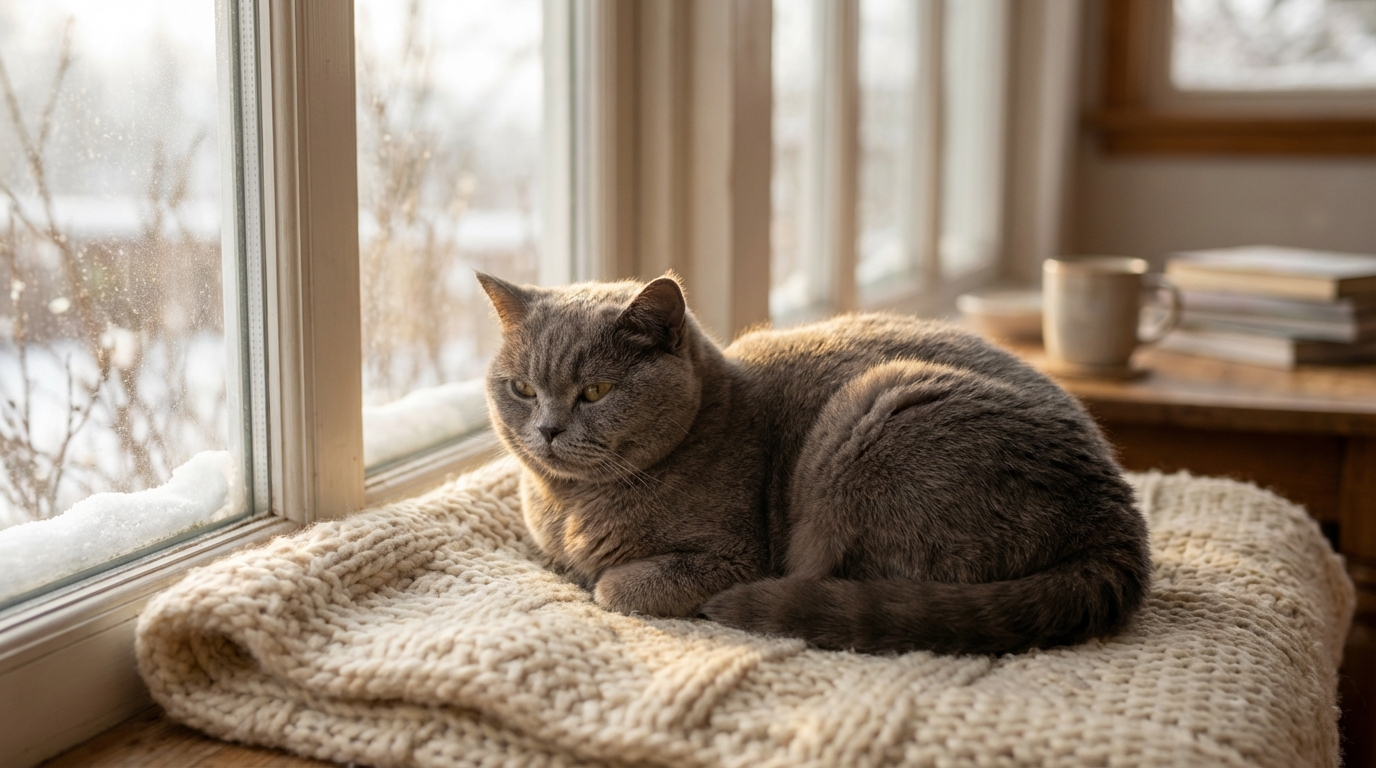
Cats are particularly good at finding warm spots, but they still need a dedicated space that's dry and insulated from drafts. If your cat spends time outdoors, provide a weatherproof shelter with a blanket inside. Position it away from wind and rain.
For dogs that feel the cold more acutely — think short-coated breeds like Whippets, Staffies, and Chihuahuas — a well-fitted dog coat or jumper is worth the investment for walks and backyard time. Browse our full range of dog care essentials for seasonal must-haves.
Adjust Nutrition and Hydration
Winter dog care often means reassessing how much your pet is eating. Dogs that spend a lot of time outdoors may burn more energy staying warm and could benefit from a slight increase in food. Indoor pets that become less active, on the other hand, might need a little less to avoid winter weight gain.
Fresh water is just as important in winter as it is in summer. Pets can become mildly dehydrated when they're less inclined to drink cold water. Try offering room-temperature water and check bowls regularly — outdoor water dishes can get icy in parts of regional Australia.
Quick tip: Add a splash of warm (not hot) water or low-sodium bone broth to your dog's kibble on cold mornings. It encourages hydration and makes mealtime more appealing.
Keep Up Exercise Safely
It's tempting to hibernate, but regular exercise is essential for your pet's physical and mental health year-round. Shorter daylight hours mean many dog walks happen in low-light conditions, so clip a reflective tag or LED light to your dog's collar for visibility.
On particularly cold or wet days, indoor enrichment can supplement outdoor exercise. Puzzle feeders, tug toys, and short training sessions keep dogs mentally stimulated. Cats benefit from interactive play with feather wands or laser pointers — anything that gets them moving.
After walks in wet or muddy conditions, dry your dog's paws and belly thoroughly. Damp fur left sitting against the skin can cause irritation and even fungal issues over time.
Don't Skip Parasite Prevention in Winter
One of the most common mistakes pet owners make is easing off flea, tick, and heartworm prevention when the weather cools. While some parasites are less active in winter, they don't disappear entirely — especially in Australia's milder coastal regions where temperatures rarely plummet.
Fleas thrive indoors year-round thanks to central heating and warm carpeted rooms. Paralysis ticks can still pose a risk in parts of Queensland and northern New South Wales even during cooler months. Heartworm-carrying mosquitoes may be less prevalent, but a gap in prevention can leave your pet vulnerable when spring arrives.
Staying consistent with your pet's preventative treatments through winter is far easier — and cheaper — than dealing with an infestation or infection later. Check out our cat health and prevention products to make sure your feline friend is covered too.
Protect Their Skin and Coat
Cold, dry air and indoor heating can strip moisture from your pet's skin and coat, leading to flakiness, itching, and a dull appearance. Regular brushing helps distribute natural oils and removes dead undercoat, which many breeds shed heavily in the transition to winter.
Avoid over-bathing during the colder months, as frequent washing can worsen dryness. When you do bathe your pet, use a gentle, soap-free shampoo formulated for dogs or cats, and make sure they're completely dry before going outside.
If you notice excessive scratching, redness, or hair loss, it could signal a skin condition rather than simple dryness. Keep an eye on any changes and address them early.
Frequently Asked Questions
Do cats need coats or jumpers in winter?
Most cats manage cold weather well thanks to their fur, but hairless breeds like the Sphynx or elderly cats with thin coats may appreciate an indoor jumper. Focus on providing a warm bed and draft-free sleeping area rather than clothing, as many cats find garments stressful.
Should I still treat my pet for fleas during winter?
Yes. Fleas can survive and breed indoors throughout winter, especially in heated homes with carpet. Maintaining a year-round prevention schedule is the most reliable way to avoid infestations and keep your pet comfortable.
How can I tell if my dog is too cold?
Signs include shivering, reluctance to go outside, tucking the tail, and seeking warm spots. Short-coated, small, senior, or very young dogs are most susceptible. If your dog shows these signs, bring them inside and add extra bedding or a coat for outdoor time.
Winter doesn't have to be uncomfortable for your pets — a few simple adjustments go a long way. If you have specific concerns about your pet's health this season, have a chat to your vet for tailored advice. In the meantime, explore our full range of dog products to stock up on everything you need to keep your best mate happy and healthy all winter long.