


Choosing Fringe Studio can feel like paying a little extra for a lot of personality — but is it actually better value than other pet toy options? This Fringe Studio review breaks down what you’re really paying for, how Fringe Studio dog toys compare to common alternatives by material and play style, and what to choose instead if your dog is tough on toys. If you’re wondering are Fringe Studio toys durable, the answer depends on how your dog plays and how the toy is used.
What “better value” really means for dog toys
“Value” isn’t just the lowest price tag — it’s how long the toy lasts, how much your dog actually uses it, and whether it fits your home (noise, mess, and storage all matter). A toy that costs a bit more but stays interesting for weeks can be better value than cheaper toys that get ignored after a day.
For many Aussie households, value also depends on climate and lifestyle. In a humid QLD summer, easy-to-clean materials and mould-resistant storage matter more than you’d think. In winter, indoor enrichment can be worth paying for if it keeps your dog engaged when walks are shorter and the backyard is soggy.
- Cost per play: How many play sessions before it’s worn out or boring?
- Fit for your dog: Size, chew style, and energy level.
- Safety & materials: Stitching quality, squeaker placement, and small parts.
- Clean-up: Fur, slobber, and how easily it wipes down.
Safety first: supervision, sizing, and when to bin a toy
Whether you’re buying Fringe Studio plush toys or any other toy type, safety has to come first. Plush and squeaker toys are designed for play and enrichment — not for unsupervised destruction.
- Supervise play: Especially with plush, ropes, squeakers, and crinkle fabrics. If your dog starts to tear or “de-stuff”, pause play and swap to a safer option.
- Match toy size to dog size: Too small can increase choking risk; too large can encourage awkward chewing that speeds up damage. When in doubt, size up for strong jaws.
- Remove damaged toys promptly: Loose threads, stuffing, squeakers, and fabric pieces can become ingestion hazards. Bin toys with holes, exposed seams, or parts that detach.
- Check after wet weather: In rainy winters or humid coastal areas, damp plush can smell and degrade faster. Dry toys thoroughly before storing.
This isn’t about being overly cautious — it’s about keeping play fun and preventing avoidable accidents.
What you get with Fringe Studio products
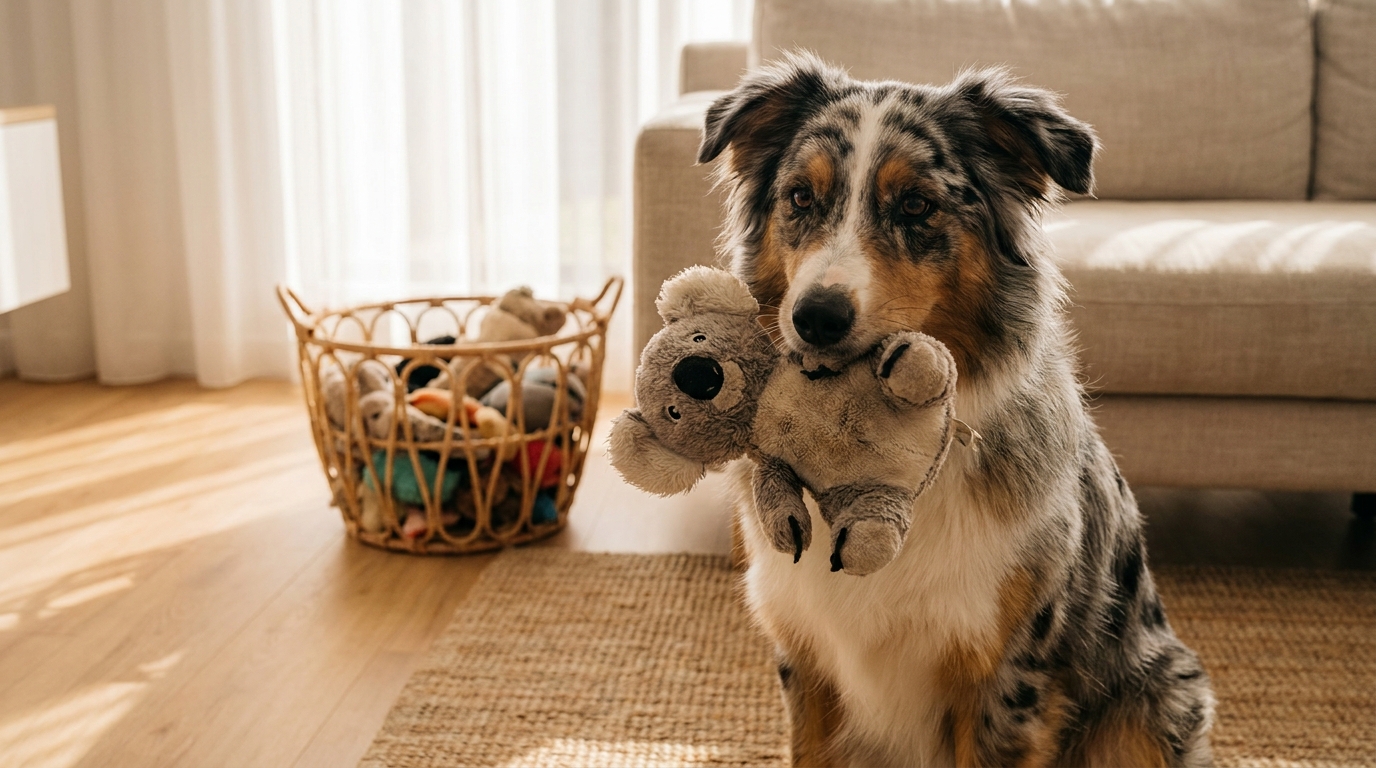
Fringe Studio is best known for playful designs and “giftable” pet toys that look good in the basket and feel fun to give. In practical terms, Fringe Studio dog toys are often soft toys in novelty shapes, commonly with squeakers and/or crinkle textures. That combination suits many dogs who enjoy carrying, shaking, and gentle chewing.
In this Fringe Studio review, the biggest value advantage is often engagement. If your dog tends to ignore plain toys, the varied textures and shapes can hold attention longer — which improves cost-per-play even if the upfront cost is higher.
- Enrichment factor: Multiple textures can keep play interesting.
- Home-friendly aesthetics: Toys you don’t mind seeing on the lounge room floor.
- Great for gifting: If you’re buying for someone else’s pet, presentation matters.
That said, no soft toy is indestructible. If your dog treats plush like a chew project rather than a play toy, “value” can disappear quickly — not because it’s a bad toy, but because it’s the wrong job for the material.
To browse what’s available, you can shop our range of Fringe Studio items and compare styles and sizes before you buy.
Fringe Studio plush toys vs common alternatives (materials, lifespan, and who they suit)
When people compare Fringe Studio dog toys to alternatives, they’re usually comparing across toy materials, not just brands. Here are concrete differences that affect durability and value.
- Plush with squeakers/crinkle (like many Fringe Studio plush toys): Best for engagement, indoor play, gentle chewing, fetch, and “comfort carry”. Typical lifespan varies widely: some gentle chewers may enjoy weeks to months; determined de-stuffers may reduce it to a single session.
- Thicker fabric/stitched plush (still plush, but more structured): Often lasts longer than lightweight plush for moderate chewers, but can still fail at seams under focused chewing. Good for dogs that like tug-and-shake but don’t obsessively chew through one spot.
- Rubber/TPR-style chew toys: Usually higher durability for solo chewing and can deliver better value for power chewers. Less “cute factor”, but the cost-per-play can be excellent if your dog prefers chewing over squeaking.
- Nylon-style chews: Built for repetitive chewing and can outlast plush dramatically, especially for dogs who want a firm texture. Not ideal for dogs who only enjoy soft-mouth play.
- Rope/tug toys: Great for interactive play and training moments, but can fray; supervision is important to reduce ingestion risk. These can be high value if you play together regularly, lower value if left out for solo chewing.
- Enrichment/puzzle toys and treat-dispensing styles: Not always the cheapest upfront, but can deliver strong value by occupying busy brains (especially during wet weekends or when you’re working from home). Durability depends on material and how your dog uses it.
So, are Fringe Studio toys durable? For the category they sit in — primarily plush novelty toys — durability is typically best for gentle-to-moderate chewers and supervised play. If you want a toy to survive daily solo chewing from a power chewer, a tougher material is usually the better-value choice, and plush becomes an “occasion” toy.
When alternatives can be better value
Alternatives can beat Fringe Studio on value when your priority is longevity under heavy use. If your dog is a power chewer or loves to de-stuff toys in minutes, plush novelty toys may become a short-lived treat rather than a lasting staple.
Another situation: if your dog’s play style is more about solo chewing than interactive games. Some dogs don’t care about squeakers or cute shapes — they want a tougher texture and a satisfying chew feel. In that case, spending extra on design won’t improve cost-per-play.
Quick tip: Match the toy to the job. If you want a cuddle-and-carry toy, pick plush. If you want a long-lasting solo option, choose a tougher material and save plush for supervised play.
Value can also shift in multi-dog homes. If toys are shared between dogs of different sizes, you’ll often get better mileage from a style that suits the biggest, most enthusiastic player — then add plush as a supervised “special” toy for the gentle dog who truly enjoys it.
Finally, be realistic about what you’re budgeting for. Many Australian pet owners prioritise year-round parasite protection and vet care; keeping spend predictable on essentials can make it easier to treat plush toys as fun enrichment rather than expecting every toy to be a long-term chew solution.
How to choose (quick checklist + best for/not for)
Use this checklist to decide whether Fringe Studio is better value for your dog, or whether an alternative is the smarter buy. The goal is fewer regrets and fewer half-destroyed toys under the couch.
- Chew style: Gentle chewer and cuddler? Fringe Studio products are often a good match. Power chewer? Consider tougher materials for everyday use and keep plush for supervised sessions.
- Play preference: Loves squeaks, shaking, and “trophy carrying”? Plush novelty toys can be high value. Prefers repetitive chewing? Look for durability-first textures.
- Supervision: If you can supervise play, plush can last longer (and be safer). If toys are left out all day, choose something that handles unsupervised use better.
- Mess tolerance: If stuffing everywhere drives you mad, consider plush only as a short, controlled play activity.
- Rotation plan: Keeping 3–5 toys and rotating weekly often makes each toy feel “new” again, improving value without buying more.
- Best for: Dogs who enjoy soft-mouth play, squeakers, carrying toys around the house, interactive games with you, and novelty textures; pet parents who want cute, giftable toys that encourage engagement.
- Not for: Dogs that immediately target seams, obsessively chew one spot, swallow fabric pieces, or regularly destroy plush in one sitting; households that must leave toys out unsupervised all day.
If you’re leaning towards cute, engaging toys that suit gentle-to-moderate play, browse our Fringe Studio range and choose a size and style that matches your dog’s habits.
Frequently Asked Questions
Are Fringe Studio toys good value for money?
They can be, especially for dogs who get bored easily and love texture, squeaks, and novelty shapes. Value is highest when the toy matches your dog’s play style and is used for interactive play rather than heavy chewing.
Do Fringe Studio products suit strong chewers?
Many plush toys (including most Fringe Studio plush toys) aren’t ideal as an everyday option for strong chewers, because determined chewing can shorten their lifespan quickly. For power chewers, treat plush as supervised enrichment and choose a tougher material for solo time.
How can I make pet toys last longer?
Rotate toys weekly, store them dry (especially in humid areas), and remove toys once they start to tear or shed parts. Choose the right size for your dog, supervise plush and squeaker play, and swap toys out before your dog can pull off and swallow pieces.
Ready to compare styles and pick the best fit? Shop our Fringe Studio collection, and if you’re unsure what’s safest for your dog’s chewing habits, chat to your vet.