

Choosing a calming lick mat can feel simple—until you compare suction, texture depth, cleaning time, and how long it lasts in a busy Australian home. This guide breaks down what “value” really means, when a LickiMat-style enrichment mat earns its keep, and when a simpler option is the smarter buy.
If you’re buying to reduce boredom, slow feeding, or make grooming and bath time less of a drama, the best-value choice is the one your dog or cat will use safely, repeatedly, and without constant replacement.
What you’re really paying for
A lick mat isn’t just a flat bit of rubber—it’s an enrichment tool that uses repetitive licking to help many dogs and cats settle and stay occupied. The value isn’t only the purchase price; it’s how reliably it stays put, how well the texture slows your pet down, and whether it survives regular use.
In practice, the cost difference between a premium mat and a basic alternative often comes down to three things: pattern design (to spread food thinly and extend licking time), material quality (for general durability and temperature tolerance with everyday washing), and practical features like strong suction cups or raised edges to reduce mess.
Cheaper options can still work well, especially for light, supervised use. Where “cheap” turns costly is when the mat slips, traps food so cleaning becomes a chore, or gets damaged quickly—leading to replacement and frustration.
Quick comparison table: LickiMat-style mats vs basics
Use this table to compare common value factors at a glance. Exact performance varies by individual mat, your surfaces (tiles, stainless, laminate), and your pet’s licking style.
| Factor | LickiMat-style enrichment mat | Basic lick mat alternative |
|---|---|---|
| Typical price range | Mid to higher upfront cost | Lower upfront cost |
| Suction & stability | Often more reliable on smooth surfaces | Can vary; some slide or lift at corners |
| Pattern depth | More texture options; can better extend licking time | Frequently shallower or less defined |
| Cleaning effort | Depends on texture; may need a quick brush for deeper grooves | Simpler patterns can rinse faster, but thin mats can hold odours if not cleaned promptly |
| Durability | Generally better for repeated use and routine washing | Can be fine for occasional use; may wear faster with rough handling |
| Best for | Frequent enrichment, grooming/bath routines, dogs that need a longer session | Testing whether your pet enjoys licking, occasional use, easier-clean preference |
Value checklist: how to compare options fast
Use this checklist when you’re comparing brand-name mats and budget-friendly alternatives. It keeps the decision grounded in how you’ll actually use it at home.
- Durability: Is it thick enough to resist twisting, clawing, and edge-nibbling? If your dog is a determined shredder, a sturdier mat is usually better value.
- Grip and stability: Strong suction matters on tiles and in the bath. If it slides, your pet may give up—or start chewing corners out of frustration.
- Pattern depth and spacing: Deeper grooves can slow fast lickers and hold wetter foods; shallower patterns are quicker to finish but often easier to rinse.
- Ease of cleaning: Can you rinse it quickly after use? Will food get trapped in tight corners? If you dread cleaning it, it won’t get used.
- Versatility: Will it work for crate time, rainy-day boredom, post-walk wind-down, and grooming support without needing special extras?
- Size and fit: Size should match your pet. Too small can encourage chewing; too large can waste food and take up space.
- Safety and supervision: Choose pet-safe spreads (avoid anything you wouldn’t normally feed) and supervise until you know your pet licks rather than chews. If chewing starts, remove the mat and reassess the setup.
When LickiMat is better value
LickiMat tends to be better value when you’ll use a calming lick mat frequently and need consistent performance—especially reliable suction and a texture that genuinely slows licking. For many households, that “works most times you reach for it” factor is what turns an enrichment tool into a routine.
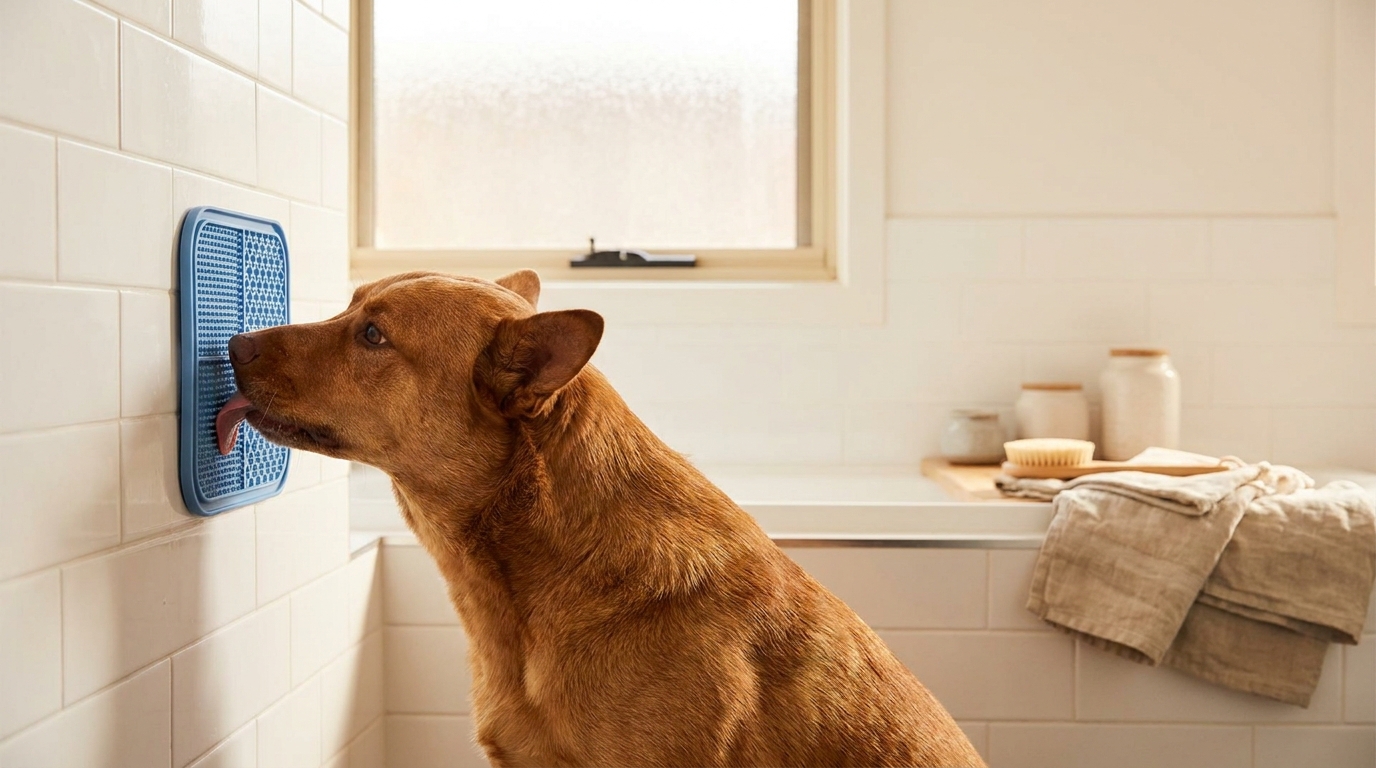
It can be a strong choice if you’re planning to use licking for predictable moments: bath time, brushing sessions, nail trims, visitors arriving, or a post-zoomies settle on a warm afternoon. A stable mat that stays put usually means less chasing it around the bathroom and more time your pet spends engaged.
If you want to browse options by size and texture, see our range of LickiMat mats and accessories.
Quick tip: For best value, match texture to your pet: shallower patterns can suit beginners and many cats, while deeper grooves can better slow dogs that finish treats in seconds.
Longevity is another part of the value equation. A higher-quality mat that holds its shape through regular use, occasional freezing, and routine washing can work out cheaper per session over a season—particularly when you’re leaning more on indoor enrichment through humid summer nights or wet winter weekends.
When alternatives are better value
Alternatives can be better value if you only need occasional enrichment, your pet isn’t strongly motivated by licking, or you want to test the idea before committing. If your dog prefers sniffing or chewing activities, a lick mat of any kind may not hold attention long enough to justify a premium spend.
A simpler mat can also make sense if your biggest barrier is cleaning time. Some basic designs have fewer tight grooves, so you can rinse and go after a busy day. Consistency is a major driver of results: the mat that’s used regularly tends to deliver more practical benefit than the one that’s “better” but rarely gets pulled out.
Finally, if your pet is likely to chew rubber items, value isn’t just about price—it’s about risk. In those cases, consider whether a lick mat is appropriate at all, and only use one under close supervision until you’re confident it stays as a licking activity.
How to get more value from any lick mat
No matter which mat you choose, technique matters. Thin, even spreads usually extend licking time better than thick blobs, and they’re easier to clean.
- Rotate toppings: Use a small variety of pet-safe spreads so your pet doesn’t lose interest after a week.
- Freeze for longer sessions: Handy for hot Australian afternoons. Keep portions appropriate for your pet’s overall daily diet.
- Use it strategically: Pair it with moments that typically cause wriggles—grooming, storms, or visitors—so the mat becomes a positive cue.
- Supervise early: If your dog starts chewing, remove the mat and offer it again later with an easier setup (less exciting topping, calmer space, shorter session).
- Clean promptly: Rinse straight away. A soft brush helps lift food from textured patterns so smells don’t linger.
If you’re buying for a keen chewer, prioritise sturdiness and supervision over novelty shapes. If you’re buying for a fussy cat, prioritise an easy-clean texture and smaller sessions you can repeat often.
Frequently Asked Questions
Is a LickiMat worth the extra cost?
Often, yes—if you’ll use it several times a week and you want dependable suction, solid build quality, and a texture that can extend licking time. The cost-per-use drops quickly once it becomes part of your routine.
Do lick mats actually calm dogs and cats?
Licking can be soothing for many pets, especially when paired with a predictable routine and an appealing, pet-safe spread. Results vary by temperament and environment, so think of it as enrichment support rather than a guaranteed fix.
What’s the best size and texture to start with?
Pick a size that encourages licking rather than chewing—larger dogs generally suit a larger surface area. Start with an easier pattern, then move to deeper textures if your pet finishes too fast.
Are lick mats safe to use?
They can be, when used thoughtfully. Supervise until you know your pet won’t chew the mat, choose spreads you’re comfortable feeding, and remove the mat if it becomes a chewing item or shows damage.
Ready to compare textures and find the right fit for your pet? Shop our LickiMat range and choose a mat that matches your routine—if you’re unsure what suits your pet’s needs, chat to your vet.