

When accidents happen, choosing the right Urine Off cleaner can make the difference between a quick fix and a lingering smell that invites repeat marking. This practical buyer’s guide breaks down what to look for, how to use it, and which Urine Off products suit different messes and surfaces. If you’re comparing options, this Urine Off review-style walkthrough will help you buy with confidence.
What Urine Off is (and when it works best)
Urine Off is designed to tackle urine odour at the source rather than just masking it. For pet households, that matters because leftover odour can encourage dogs and cats to revisit the same spot—especially in warm, humid Australian weather when smells seem to “wake up” again.
In practical terms, Urine Off products are most useful for fresh accidents, repeat-marking areas, and any place where the odour has soaked into soft materials. They’re also handy for routine maintenance in multi-pet homes, where minor splashes around litter trays or toilet areas can build up over time.
If you’re trying to decide whether this brand suits you, think about the problem you’re solving: a one-off puddle on tiles needs a different approach than a recurring issue on carpet under a window. The right pick depends on the pet (dog vs cat), the surface, and how old the stain is.
Which Urine Off product should you buy?
Most shoppers are really choosing between formulas made for different pets and situations. A good buying rule: match the product to the animal and the surface, then size up if you’re treating a repeat area (you’ll use more than you expect).
- For cat urine and spraying: Cat urine can be more persistent, and spraying often hits vertical surfaces. Look for a cat-specific option if your main issue is litter tray misses, tomcat spraying, or “same corner every night” incidents.
- For dog urine and house-training: Dog accidents are often larger volume and more likely to reach underlay or grout lines. A dog-focused cleaner is a solid choice for house-training, senior dog leaks, or post-storm anxiety wee spots.
- For carpets, rugs, and lounges: If the mess has soaked in, prioritise a product you can apply generously and leave to work long enough to penetrate. Plan for repeated applications on older stains.
- For hard floors and tiles: You still need proper dwell time, but cleanup is usually faster. This is ideal for apartments, laundry rooms, and around feeding stations.
- For kennels, crates, and pet areas: Larger-format options make sense if you’re cleaning regularly (think puppy setups, foster homes, or indoor-outdoor pets during wet winters).
To compare the full range in one place, browse Urine Off and pick the formula that matches your pet and cleanup routine.
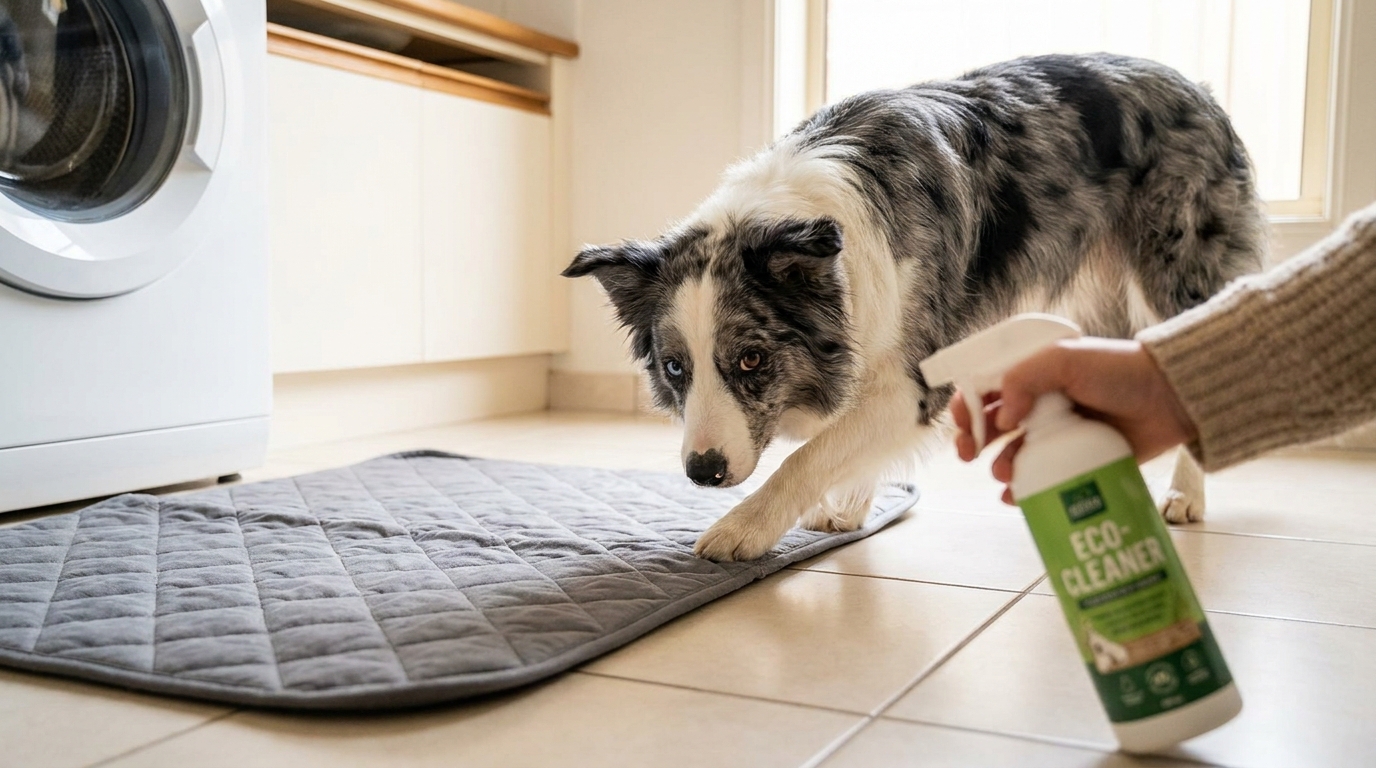
How to use it for best results (and avoid common mistakes)
Using Urine Off correctly is as important as choosing the right bottle. The goal is to reach what the urine touched—on carpet, that’s often deeper than the visible spot.
- Blot first, don’t scrub: For fresh accidents, blot up as much as possible with paper towel or a clean cloth. Scrubbing can push liquid deeper into fibres.
- Saturate the area: Apply enough product to match the size and depth of the accident. If the urine spread under the surface, the product needs to reach it too.
- Allow proper contact time: Give it time to work before wiping up. Rushing is one of the biggest reasons people feel a cleaner “didn’t work”.
- Repeat for old stains: Set-in odour may need multiple treatments, especially in humid conditions or where pets have re-marked.
- Dry thoroughly: Good airflow helps. In cooler months (or rainy weeks), use fans to speed drying and reduce lingering damp smell.
Quick tip: If you can still smell urine after it dries, treat the exact same spot again and extend the contact time—older stains often need a second pass to fully lift the odour.
If you’re reading a Urine Off review and wondering why experiences vary, it’s usually down to application: not enough product, not enough time, or cleaning only the surface when the urine went deeper.
Surface safety, scent, and household considerations
Before using any urine cleaner, consider the surface and finish. Soft furnishings, timber floors, natural stone, and certain dyes can react differently, so it’s smart to patch test in an inconspicuous area first.
For carpets and rugs, focus on saturation without flooding. For couches or mattresses, avoid over-wetting the foam; apply steadily and allow longer drying with ventilation. On hard floors, pay attention to edges and joins—urine can creep under skirting boards or into grout lines.
Household context matters too. If you have kids crawling on floors, indoor cats, or pets with sensitive noses, you’ll likely prefer a cleaner that targets odour without leaving heavy fragrance behind. And if your pet is still marking, combine cleaning with routine support like frequent toilet breaks, litter tray hygiene, and reducing access to problem areas until the habit settles.
Where to shop and what to check before you click “Add to cart”
Buying online is convenient, but a few quick checks can save you from choosing the wrong option. Start by confirming whether you need a cat or dog formula, then choose a size that matches the job—spot cleanups are different from treating an entire room corner that’s been hit repeatedly.
- Problem area size: Bigger or older stains usually require more product than expected.
- Surface type: Carpet and upholstery often need deeper saturation and longer drying time.
- Repeat marking risk: If your pet returns to the same spot, plan on multiple treatments and consider restricting access while it dries.
- Your cleaning routine: Multi-pet homes often benefit from keeping a dedicated bottle on hand for quick response.
To see the available Urine Off products and pick the most suitable option for your home, head to our Urine Off range.
Frequently Asked Questions
Will Urine Off remove old urine smells from carpet?
It can help significantly, but older stains often need more product and more than one treatment. The key is applying enough to reach the underlay level and allowing adequate contact time before drying.
Can I use a dog formula on cat urine (or vice versa)?
For best results, match the product to the pet you’re cleaning up after, as urine composition and marking behaviour can differ. If you’re dealing with both cats and dogs in one home, keeping the correct option for each is usually worth it.
How do I stop my pet from re-marking the same spot after cleaning?
Thoroughly removing odour is step one, but management helps too—block access until the area is fully dry and reinforce toileting routines. If re-marking is sudden or out of character, consider discussing it with your vet.
Ready to reset your home and tackle odours properly? Shop the Urine Off range and choose the right cleaner for your pet and surfaces.