


Choosing between Enisyl and other options often comes down to one thing: value for your pet’s needs. This Enisyl review breaks down what you’re really paying for (beyond the price tag), when it makes sense, and when another approach may suit better.
In Australia, many shoppers compare Enisyl as an L-lysine paste for cats (and other easy-to-administer formats) when they’re looking for everyday nutritional support—often in the context of ongoing eye or upper respiratory sensitivities. Some people also search for “feline herpesvirus support” products; it’s important to note that these terms reflect shopper intent and common discussions online, not a guarantee of outcome. Talk with your vet for guidance, especially if symptoms are persistent or worsening.
What Enisyl is (and who it suits)
Enisyl is a pet health brand best known for L-lysine support formulated for cats, typically in easy-to-administer formats such as palatable pastes or food-friendly options. Many households consider it when they want a simple, routine-friendly product that’s straightforward to use—particularly if their cat is fussy or if daily handling is stressful.
When you’re reading any Enisyl review, pay attention to fit: the right product for the right pet and lifestyle. A paste-style option might suit one cat, while another cat is more accepting of a powder mixed into food, or a chewable treat format.
If you want to browse the range in one place, see our Enisyl collection and compare formats before you decide.
Medical responsibility note: Evidence around L-lysine use in cats is mixed and sometimes controversial. Some vets and owners report it fits their routine, while others prefer different approaches. It should never replace a veterinary assessment—especially for chronic sneezing, discharge, squinting, reduced appetite, lethargy, or in multi-cat households where infections and stress can spread quickly.
Value checklist: how to compare properly
“Better value” isn’t always the cheapest upfront. To compare Enisyl products against alternatives, use a checklist so you’re measuring like-for-like (and not getting surprised by hidden costs such as waste, low acceptance, or frequent reorders).
- Format and ease of use: If a product is hard to give, it may be wasted—costing more in the long run.
- Pack size and shelf-life: Bigger isn’t always better if you won’t finish it in time, particularly in warmer Australian months where storage conditions matter.
- Servings per pack (real-world, not theoretical): Two products can look similar in price but differ dramatically in how long they last once you factor in how your cat actually takes it.
- Cost-per-day thinking: Instead of comparing item prices, compare the estimated cost for your household’s routine (one cat vs multi-cat, daily vs occasional use). Your vet can help you decide what “routine” even means for your situation.
- Household needs: Multi-cat homes often value convenience and consistency more than single-pet homes.
- Delivery and reorder rhythm: If you’re reordering frequently, shipping and time-to-arrive matter, especially around holiday closures.
- What else you’re buying: Many owners bundle wellness items with essentials like flea, tick, and heartworm prevention to streamline orders.
It also helps to separate “support” products from core protection items. For example, parasite prevention is typically a non-negotiable in much of Australia, especially through warmer months when fleas and ticks can spike in many regions.
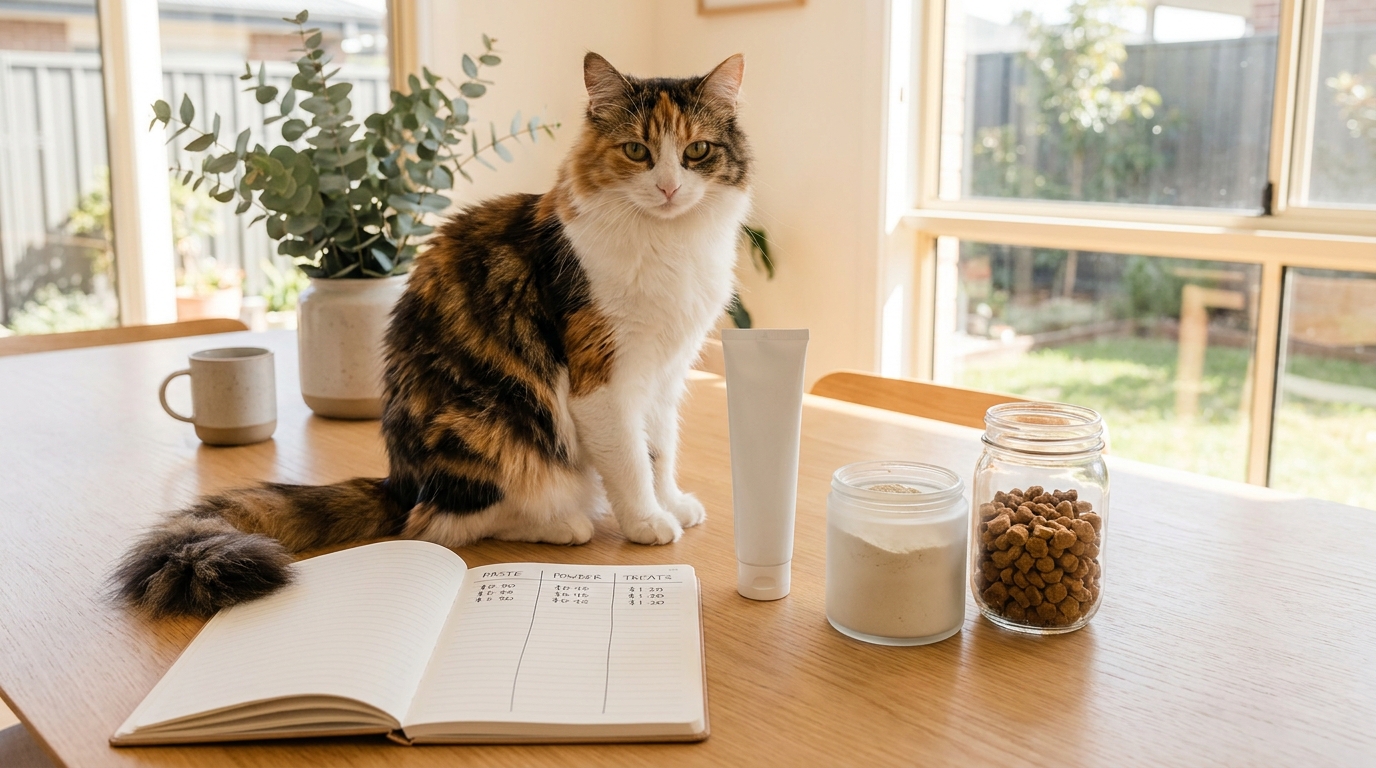
Quick comparison: Enisyl-style products vs common alternatives
To support the “value” promise, here’s a practical way to compare options without naming competitor brands. Because product sizes and prices change, treat this as a template for your own quick calculation.
| Option | Typical pack style | Best for | Value strengths | Common trade-offs |
|---|---|---|---|---|
| Enisyl-style L-lysine paste for cats | Pre-measured tube/syringe-style paste | Fussy cats; owners who want a fast, consistent routine | Often low mess; easy to standardise your daily habit; less product loss if accepted | Can be pricier per serving than bulk formats; some cats dislike texture |
| L-lysine powder (generic style) | Tub or sachet added to food | Food-motivated cats; multi-cat homes managing budgets | Usually strong cost-per-day value; can last longer per pack | Harder to use if your cat is a picky eater; risk of waste if meals aren’t finished |
| Chews/treat-format supplements | Bag/jar of soft chews | Cats that treat well; owners avoiding syringes | Convenient; can feel like a reward rather than “dosing” | Acceptance varies; can be less suitable for cats with dietary restrictions |
| Veterinary-directed options | May include different supportive care, environment plans, or targeted therapies | Chronic or recurring signs; households with frequent flare-ups | More personalised; focuses on the underlying picture, not just a single ingredient | Higher upfront cost; requires appointments and follow-up |
Cost-per-day example (how to do it at home): write down (1) purchase price, (2) estimated servings per pack based on the label, (3) how many days you realistically use it in a month. Then calculate: price ÷ servings = cost per serving, and cost per serving × your routine frequency = estimated cost per day. This is especially helpful if you’re comparing a paste tube against a bulk powder tub.
When Enisyl is good value
Enisyl can be good value when you’ll actually use it consistently. If your cat accepts the texture and taste easily, you’re less likely to waste product or abandon the routine—two of the biggest drivers of “bad value” with any supplement.
It may also be better value for owners who want a single-purpose, no-fuss addition to daily care. That “set-and-stick” simplicity can be worth more than saving a few dollars on something you struggle to administer.
Quick tip: Before committing to a larger pack, trial a format you can reliably give at the same time each day (for example, after the evening feed), so it becomes part of the routine—not a battle.
Finally, Enisyl products can make sense when you’re already ordering other essentials and can bundle shipping. If you’re stocking up on seasonal needs in Australia (like summer parasite protection), adding a routine support product in the same cart can reduce overall hassle.
When alternatives can be better value
Alternatives may offer better value when your main issue is compliance—for example, if your cat refuses a particular texture or you can’t reliably administer it. A cheaper product that gets used is often better value than a premium one that sits in the cupboard.
Here are common “alternatives” people mean when comparing Enisyl:
- Different delivery formats: powders, chews, or food-integrated options can be more practical for some cats than a paste. If your cat grazes, a mixed-in format may lead to uneven intake and more waste; if your cat eats meals reliably, it may be excellent value.
- Generic L-lysine options: some households prioritise low cost per serving and don’t mind measuring or mixing. This can be cost-effective, but only if your cat’s appetite and feeding pattern make it predictable.
- Veterinary options beyond supplements: for recurring or complex issues, the “better value” path can be paying for a vet plan that addresses triggers (stress, environment, coexisting conditions) rather than trying multiple over-the-counter products. This is especially relevant in shelters, boarding situations, or multi-cat homes where stress and close contact can be common.
Who should skip self-selecting a supplement (and see a vet first): cats with ongoing eye discharge, persistent sneezing/coughing, breathing effort, not eating, weight loss, lethargy, or repeated flare-ups; kittens and seniors; pregnant or nursing cats; and households where several cats show signs at once. These situations need proper assessment, not guesswork.
And if you’re weighing up your overall pet-care budget, make sure your must-haves are covered first. In many Australian homes, that starts with consistent parasite prevention (fleas, ticks, and heartworm) and then you add supportive extras where they genuinely help your routine.
How to buy smarter (without overbuying)
If you’re leaning toward Enisyl, the smartest “value move” is choosing the product format you can administer with the least friction. For many cats, that’s the difference between a smooth daily routine and a stop-start approach that wastes money.
Use these practical steps:
- Match format to behaviour: If your cat is food-motivated, mixing into food may be easier than direct administration. If your cat is suspicious of food changes, a paste may reduce rejected meals (and wastage).
- Choose a realistic pack size: Don’t overbuy if you’re still testing acceptance. Smaller packs can cost more per serving, but they reduce the risk of paying for something you won’t use.
- Track what you actually use: A quick note on your phone (start date, finish date) helps you work out the real “servings per pack” in your home.
- Bundle essentials: Combine routine items into fewer orders to save time and reduce forgotten reorders.
- Set a reorder reminder: Consistency is where value is created—missed days often lead to abandoned products.
If you’re still comparing, scan the available Enisyl range and check which option best fits your pet’s habits and your schedule.
Frequently Asked Questions
What is Enisyl used for?
Enisyl is commonly purchased as an L-lysine support product for cats, often by owners looking for a simple addition to their cat’s routine in households where sniffles or eye irritation come and go. It’s not a substitute for diagnosis or treatment—if your cat has ongoing or significant symptoms, your vet is the best next step.
Is the evidence for L-lysine in cats strong?
The research is mixed and sometimes controversial. Some vets include it as part of a broader care plan, while others don’t recommend it. Because each cat’s situation is different, vet guidance matters—especially for chronic issues or multi-cat homes.
Is Enisyl worth it compared with cheaper options?
It can be, if your pet accepts it and you’ll use it consistently. Value is mostly determined by how reliably it fits into your routine rather than the ticket price alone. If a cheaper powder ends up being rejected (or wasted), it may cost more over time than a paste your cat readily takes.
What should I look for when comparing Enisyl products?
Focus on format, pack size, and how easy it will be to administer day after day. Also compare estimated servings per pack and your real cost-per-day based on how your cat eats and how your household runs.
Can I buy Enisyl online in Australia?
Yes—Enisyl products are commonly available through Australian pet retailers. Shopping online also makes it easier to bundle with essentials and reorder on a predictable schedule.
Ready to choose a format that suits your routine? Shop the Enisyl range and, if you’re unsure what’s best for your pet’s needs, chat to your vet.