


If your cat is scratching, licking, or over-grooming more than usual, itchy skin could be the culprit — and you're not alone in looking for effective remedies. Skin irritation is one of the most common reasons Australian cat owners seek help, and the good news is that many causes are manageable with the right skin care treatment. Here's what to look for and how to bring your cat relief.
Common Causes of Itchy Skin in Cats
Itchy skin rarely has a single cause. Understanding what's behind the irritation is the first step toward choosing the right treatment for your cat's skin.
Parasites are the number-one trigger. Fleas, in particular, cause intense itching — even a single bite can set off a reaction in sensitive cats. Ticks and mites are also common in many parts of Australia, especially along the eastern seaboard and in bushland areas.
Skin allergies are another major factor. Cats can develop allergic reactions to environmental triggers like pollen, dust mites, and mould, as well as certain ingredients in their food. These allergies often present as persistent scratching, redness, or small scabs around the head and neck.
Fungal and bacterial infections can develop when a cat's skin barrier is compromised, often as a secondary issue after scratching or over-grooming. Dry skin, contact irritants, and stress-related grooming can also contribute to the cycle of itch and damage.
Spotting the Signs Early
Cats are experts at hiding discomfort, so subtle behavioural changes are often the first clue. Watch for increased grooming sessions, especially focused on one area, or patches of thinning fur.
Physical signs include redness, small raised bumps (miliary dermatitis), flaky or scaly patches, and scabs. You might also notice your cat rubbing their face against furniture more frequently or shaking their head.
Hair loss on the belly or inner thighs — sometimes called a "fur mow" — is a classic indicator of over-grooming driven by itchy skin. If you spot any of these signs, it's worth investigating the cause sooner rather than later, before the irritation worsens.
Practical Remedies for Itchy Cats
The most effective remedy depends on the underlying cause, but several approaches can provide real relief for cats dealing with skin irritation.
Parasite control comes first. Staying on top of flea, tick, and worm prevention is non-negotiable. Many cases of itchy skin resolve entirely once a consistent parasite prevention routine is in place. In Australia's warm, humid climate — particularly across Queensland, New South Wales, and the Top End — fleas can be active year-round.
Soothing topical treatments designed for cats can calm inflamed skin and support healing. Look for gentle, soap-free washes or leave-on conditioners formulated specifically for feline skin, which has a different pH to human or even canine skin.
Dietary adjustments may help cats with food-related skin allergies. Limited-ingredient diets or novel protein sources can help identify triggers. Adding omega-3 and omega-6 fatty acid supplements also supports a healthy skin barrier and can reduce inflammation over time.
Quick tip: When bathing a cat with irritated skin, always use lukewarm water and a product specifically labelled for cats. Human shampoos — even baby shampoo — can strip natural oils and make itching worse.
Environmental management matters too. Regular washing of bedding in hot water, vacuuming soft furnishings, and using air purifiers can reduce exposure to dust mites and environmental allergens that aggravate cat skin allergies.
Seasonal Skin Care for Australian Cats
Australia's climate plays a significant role in feline skin health. Spring and summer bring a surge in pollen and parasite activity, making these peak seasons for itchy skin flare-ups. Cats with outdoor access during the warmer months from September through March are especially vulnerable.
Winter isn't without challenges either. Indoor heating can dry out the air, leading to flaky, irritated skin. A small humidifier in rooms where your cat spends the most time can help maintain moisture levels.
Regardless of the season, consistent care makes a difference. Browse our full range of cat care products to find skin-supporting essentials that suit your cat's needs throughout the year.
Long-Term Prevention Strategies
Treating the immediate itch is important, but a solid prevention plan will save your cat — and your wallet — ongoing discomfort and expense.
Maintain a year-round parasite prevention schedule. In Australia's climate, seasonal-only treatment leaves gaps that fleas and ticks exploit. Consistent, vet-grade prevention is the foundation of good skin care for cats.
Feed a balanced, high-quality diet. Nutrition directly impacts coat condition and skin resilience. Protein-rich diets with adequate fatty acids help the skin repair itself and resist irritation from allergens.
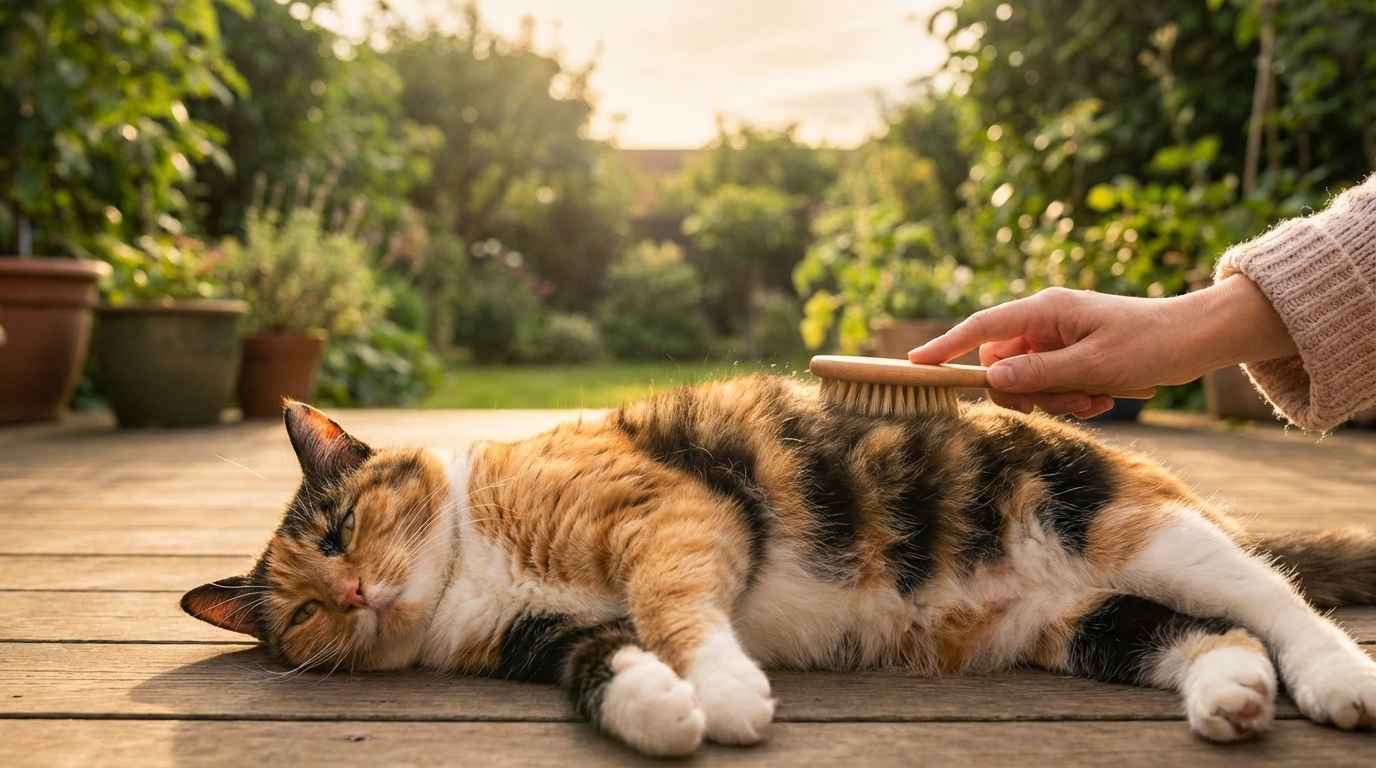
Regular grooming — even for short-haired breeds — helps you spot early signs of irritation, removes loose fur and dander, and distributes natural oils across the coat. It's also a bonding opportunity that many cats grow to enjoy.
Minimise stress. Cats can develop psychogenic over-grooming when anxious. Providing vertical space, quiet retreats, and predictable routines helps keep stress-related skin issues at bay.
Frequently Asked Questions
Can indoor cats still get itchy skin?
Absolutely. Indoor cats are exposed to dust mites, mould spores, and household irritants that can trigger skin allergies. Fleas can also hitch a ride indoors on clothing or other pets, so parasite prevention remains important even for cats that never go outside.
How long does it take for skin remedies to show results?
It depends on the cause. Parasite-related itching often improves within days of starting effective treatment. Dietary changes and allergy management may take several weeks — sometimes six to eight — before you see a noticeable improvement in your cat's skin and coat.
When should I be concerned about my cat's scratching?
Occasional scratching is normal, but if your cat is losing fur, developing sores, or scratching to the point of breaking the skin, it's time to investigate further. Persistent symptoms that don't respond to basic care warrant professional attention.
Every cat deserves comfortable, itch-free skin. If you're ready to take the next step, explore our flea, tick, and worm prevention range for vet-grade products that help keep skin irritation at bay — and if symptoms persist, have a chat with your vet to rule out underlying conditions.