


This WAHL review breaks down what you’re really paying for: reliability, ease of use, and grooming results that hold up in everyday Australian homes. If you’re comparing WAHL products for home grooming, this guide will help you choose the right tool for your pet and your routine.
We’ll focus on practical buying points—coat type, noise level, maintenance, and value—so you can shop with confidence.
WAHL at a glance: who it suits
WAHL is best known for clippers and grooming tools designed for repeat use, which is why many pet owners look at it when DIY grooming starts to feel more like a chore than a quick tidy-up. If you’ve got a dog that picks up dust, burrs or grass seeds on bushwalks—or a cat that mats easily—good grooming gear can save a lot of time (and stress) between professional grooms.
In most homes, WAHL makes the most sense for routine coat maintenance: trimming around feet, hygiene areas, and doing tidy-ups that keep the coat manageable. For full-body clips on thicker coats, the right clipper style and guide comb setup matters—so it’s worth choosing based on coat type and grooming goals rather than price alone.
If you want to browse the current range in one place, start with WAHL grooming options.
Popular WAHL products: examples + quick pros/cons
When people search for a “WAHL review”, they’re usually deciding between a few types of WAHL grooming tools rather than one universal “best” option. Below are common categories you’ll see across the WAHL line-up, with practical pros/cons to help you match the tool to your pet and the jobs you actually do at home.
- Cordless clipper kits (multi guide-comb sets):
- Pros: Easy to manoeuvre around legs, feet and undercarriage; great for quick touch-ups; less hassle in small bathrooms or laundry areas.
- Cons: Battery runtime can limit long sessions; can feel underpowered if you’re trying to push through dense or impacted coat; you may need more breaks to keep the cut comfortable.
- Corded (mains-powered) clippers:
- Pros: Consistent power for longer sessions; generally better for heavier coats and full-body tidies; no charging plan needed.
- Cons: The cord can get in the way; less convenient for quick “one paw at a time” maintenance; some pets prefer the lighter feel of cordless tools.
- Trimmers/detailers (compact precision tools):
- Pros: Better visibility and control for edging; ideal for paw pads, sanitary trims, and small problem spots (like grass-seed-prone areas).
- Cons: Not built for full-body clipping on thicker coats; small heads can take longer if you attempt big areas.
- Brushes and combs (prep and maintenance tools):
- Pros: Prevents mats; reduces snagging; helps you groom more often with less stress; can reduce how much clipping you actually need.
- Cons: Requires routine (a one-off brush won’t fix months of tangles); technique matters to avoid brushing only the surface coat.
Most pets do better when you pair a clipper with the right prep: brush out knots, ensure the coat is clean and fully dry, then clip. That reduces blade heat and helps you get a more even finish.
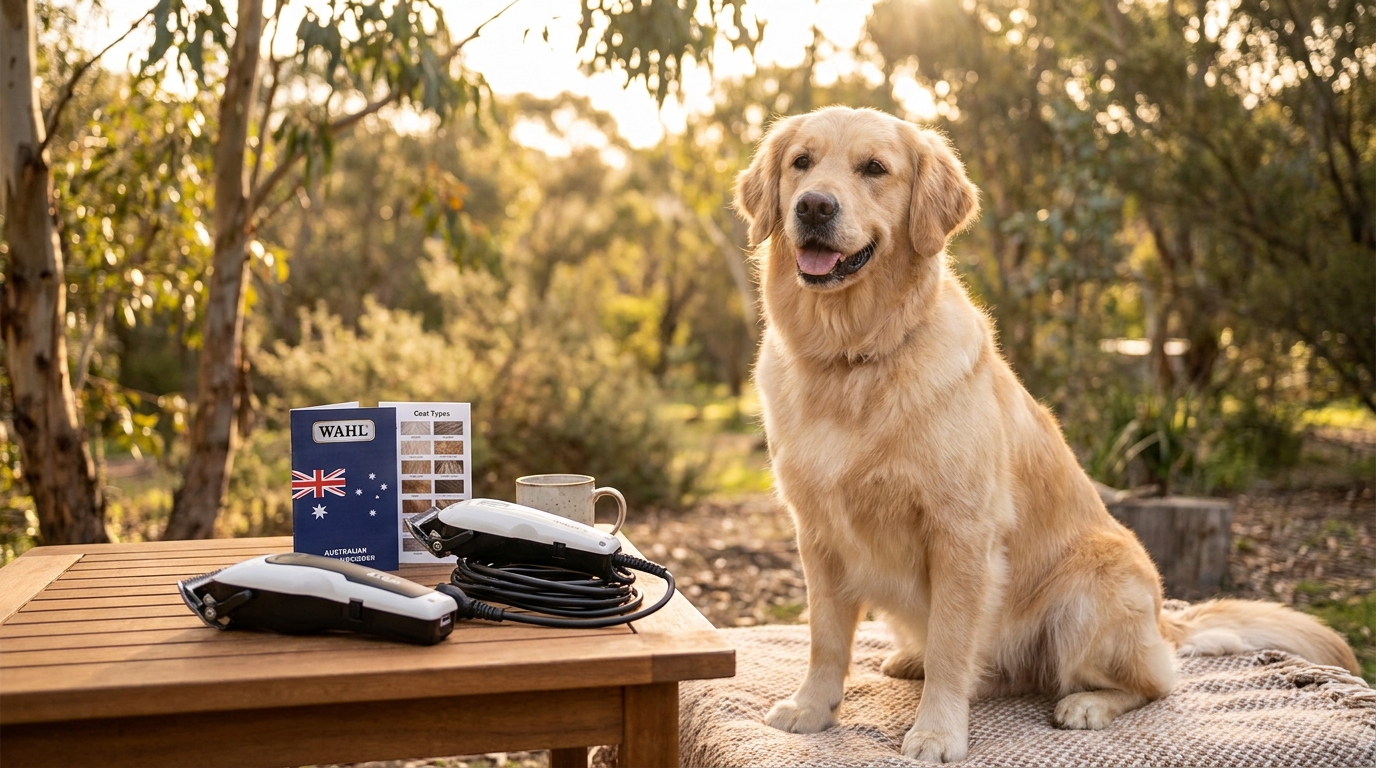
Cordless vs corded: the trade-offs that matter
- Runtime and pacing: Cordless is brilliant for short, regular touch-ups. Corded makes it easier to do a longer groom without rushing to “beat the battery”.
- Power consistency: Corded clippers typically feel steadier on dense coats or when you’re using longer guide combs. Cordless can still work well, but you may need more passes if the coat is thick or slightly packed down.
- Noise and vibration: Some pets react more to vibration than sound. If your pet is sensitive, prioritise a calm introduction routine and keep sessions short—either style can be workable with the right approach.
- Handling and access: Cordless usually wins for awkward angles (inside legs, feet, under the tail). Corded often wins when you want a predictable, steady cut through larger areas.
Real-world performance: coats, noise and comfort
Performance isn’t just “does it cut hair?”—it’s also how your pet feels during the process. For nervous pets, vibration and sound level can matter as much as cutting power, especially if you’re grooming indoors during winter when doors are closed and noise feels louder.
Mini decision tree by coat type:
- Short or smooth coats: Most don’t need full clipping. Choose a trimmer for hygiene areas and paw pads, plus regular brushing to reduce shedding and keep skin healthy.
- Double coats: Aim for brushing and de-shedding, then do tidy-ups (feet, hygiene areas, problem spots). If you’re doing more than that, go slowly and consider professional advice—coat structure and skin health matter more than a “close” finish.
- Curly/woolly/continuously growing coats: Prioritise detangling and frequent maintenance. If you’re finding knots close to the skin, a clip with guide combs is often kinder than repeated tugging with a brush—but only on a clean, dry, well-prepped coat.
- Thick, high-volume coats (seasonal coat blow): Plan multiple shorter sessions. Brush thoroughly first; use clipping only where it’s genuinely needed for comfort and cleanliness.
Heat and drag: Any clipper can get warm in longer sessions. If you notice pulling, uneven cutting, or your pet flinching, stop and check the coat for knots and the blade for build-up. Clean and oil as recommended by the manufacturer to keep the cut smooth and reduce unnecessary passes.
Quick tip: Do a 5-minute “sound and touch” introduction first—turn the clipper on nearby, reward calm behaviour, then gently touch the body (without cutting). It makes the first real trim much easier.
Safety and comfort guardrails: Work in good light, keep your free hand on the skin to feel folds and contours, and go slowly around armpits, groin, and skin folds. Stop immediately if you see redness, broken skin, swelling, or your pet is distressed. Avoid clipping whiskers. For beginners, use guard combs rather than running a bare blade directly on the skin—clipper blades can nick skin surprisingly easily.
Comfort and handling: Ergonomics are underrated. A clipper that sits well in your hand helps you keep a steady angle, which reduces accidental lines and makes sensitive areas (like armpits and inside legs) safer to trim.
Is WAHL worth the money? Value and longevity
In this WAHL review, the biggest value point is consistency over time. For pet owners who groom regularly, spending a bit more on a dependable tool can be cheaper than replacing low-quality gear frequently—or paying for extra professional grooms because your tools can’t keep up.
Where WAHL tends to pay off:
- Regular maintenance: If you tidy paws, hygiene areas, and do small trims fortnightly, you’ll notice the difference in speed and finish.
- Multi-pet homes: More use makes durability and ease of cleaning more important.
- Coats prone to tangles: Better control and cutting consistency can reduce repeated passes that annoy pets and can contribute to clipper heat.
Where it may be overkill: If your pet only needs occasional brushing and the odd nail trim, you may not need a full clipper setup. In that case, a basic brush/comb routine and targeted trimming can be enough.
Simple maintenance checklist (for longevity and comfort):
- Brush and detangle before clipping; never try to “clip through” mats.
- Clip a clean, fully dry coat to reduce snagging and blade wear.
- Clear hair from the blade as you go and follow WAHL instructions for oiling points.
- Check blade temperature frequently (warm is normal; hot is a stop signal).
- Store tools dry and protected so combs and blades don’t get knocked out of alignment.
Good maintenance is what turns a “decent buy” into a long-term tool you can rely on season after season.
How to pick the right WAHL gear (Australian buying tips)
To choose well, start with your pet and your routine—not the model name. A few quick questions will narrow it down fast.
- What coat are you dealing with? Thick, dense, or curly coats generally benefit from steadier clipping performance, the right guide combs, and realistic session planning.
- How often will you groom? For quick weekly touch-ups, cordless convenience can be a big win. For longer sessions, consider runtime, grip comfort, and whether a corded unit suits your space better.
- How sensitive is your pet? If your pet startles easily, prioritise smoother handling, a gentle introduction routine, and short sessions with breaks.
- Do you want full-body clips or tidy-ups? Detail work needs precision; full grooms need endurance and a setup that won’t bog down.
First groom at home: a practical checklist
- Pick the right time: After exercise (but before your pet is overtired) is often easiest. Avoid the hottest part of the day in warmer regions.
- Set up your space: Non-slip surface, good lighting, towel nearby, treats ready. Keep cords (if using corded) safely out of the way.
- Brush and check the coat: Feel for knots, burrs and grass seeds—especially in feet, ears and armpits.
- Bathe only if you can fully dry: Clipping damp coat increases drag. If you can’t fully dry, do brushing and small tidy-ups only.
- Start small: Begin with an easy area (like the side of the body) before attempting sensitive zones.
- Take breaks: Pause to reward calm behaviour and to check blade heat and coat build-up.
- Finish with comfort: Quick brush-through, praise, and a calm wind-down so the next session is easier.
Australian buying tips (what changes the grooming plan here):
- Grass seeds and burr season: In many parts of Australia, spring through late summer can mean more prickles and grass seeds—especially in feet, ears and armpits. A small WAHL trimmer can help you keep these areas tidy between full grooms.
- Seasonal coat blow: Double-coated dogs often shed heavily as the weather shifts. During these periods, you may need more frequent brushing and targeted tidy-ups rather than a dramatic clip.
- Indoor winter grooming: When bathing and drying take longer, plan grooming around a fully dry coat. Clipping a damp coat increases drag and can make the session uncomfortable.
- Heat and humidity: In warmer regions, keep sessions shorter, check blade heat often, and prioritise comfort over chasing a perfectly even finish in one go.
Common mistakes to avoid:
- Trying to clip matted coat: This can tug painfully and increase the risk of nicks. If mats are tight to the skin, a professional groomer is usually the safest option.
- Pressing too hard: Let the clipper do the work. Heavy pressure can cause clipper lines and increases heat.
- Skipping coat prep: Dirt and tangles make blades work harder and can shorten blade life.
- Rushing sensitive areas: Underarms, groin, and behind ears are higher-risk zones. Go slowly, use a steady angle, and take breaks.
- Ignoring skin issues: If you see redness, sores, swelling, parasites, or your pet is unusually painful, stop grooming and speak with your vet.
Ready to compare options? Browse WAHL grooming essentials and pick based on coat type and how much trimming you plan to do at home.
Frequently Asked Questions
Are WAHL clippers suitable for nervous pets?
They can be, provided you introduce the tool gradually and keep sessions short at first. Start with brushing, then add brief clipper exposure, and reward calm behaviour so the routine feels predictable.
Cordless vs corded: which is better for thick coats?
For thick, dense or high-volume coats (especially during seasonal shedding), corded clippers are often easier for longer sessions because you don’t need to manage battery runtime. Cordless can still work well for tidy-ups and smaller areas, but if you’re regularly doing larger sections, consistent power and the ability to take breaks (including checking blade heat) matter more than convenience.
How often should I oil the blades?
Follow the manufacturer instructions for your specific WAHL tool, but as a practical rule for home grooming: oil before you start, and again during longer sessions when you pause to clear hair build-up. Oiling helps reduce drag, noise, and heat.
Can I clip a double coat?
Be cautious. Many double-coated breeds rely on their coat structure for insulation and protection, and clipping can sometimes lead to uneven regrowth or changes in how the coat sits. In many cases, a better approach is thorough brushing and targeted trimming (feet, hygiene areas, and any problem spots). If your dog’s coat is heavily impacted, matted, or your pet has skin irritation, it’s safest to consult a professional groomer and/or your vet before doing a full clip.
Can I use WAHL products on both cats and dogs?
Many grooming tools can work for both, but your choice should match coat density, matting risk, and the area you’re trimming. Always check the product’s intended use and take extra care with cats, as their skin can be delicate.
If you’re weighing up WAHL for home grooming, explore the range at our WAHL brand page and choose the tool that fits your pet’s coat and your schedule. If you’re unsure what’s safest for your pet’s skin or coat condition, chat to your vet.