

As the days shorten across Australia's cooler months, most of us find ourselves walking our dog at night more often than we'd like. Whether it's a pre-dawn jog or a post-work stroll through dimly lit streets, exercising your dog in the dark during winter demands a bit more planning than a sunny afternoon outing. The good news? A few smart habits can keep both you and your four-legged mate safe and happy.
Gear Up for Visibility
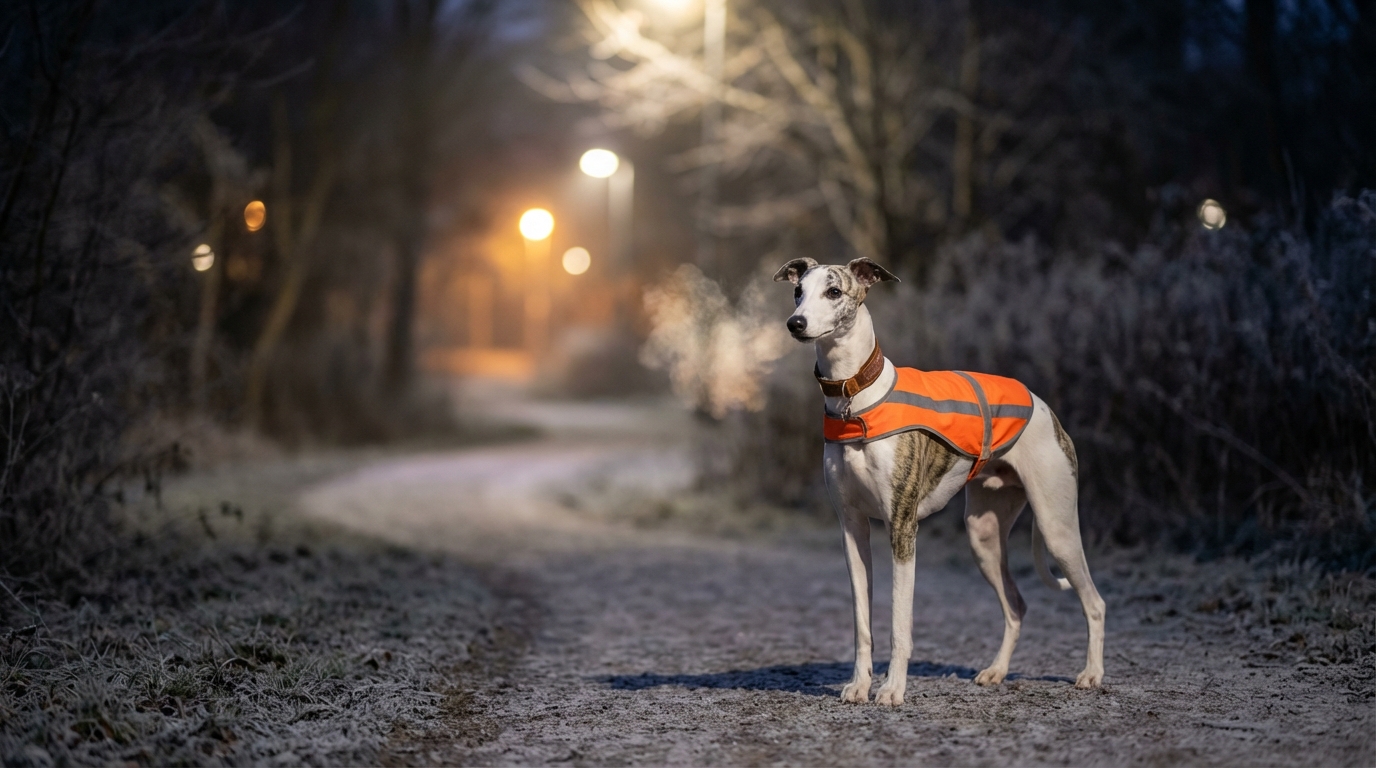
The single most important thing you can do for dog exercise safety after sunset is to make sure you're both easy to spot. Reflective collars, LED clip-on lights, and hi-vis vests designed for dogs are affordable upgrades that dramatically reduce risk around traffic.
Don't forget yourself, either. A head torch or chest-mounted running light illuminates the path ahead while keeping your hands free for the lead. Reflective strips on your jacket or shoes help drivers notice you from a distance—crucial on suburban roads without footpaths.
When you're stocking up on essentials, browse our full range of dog products to find reflective leads and other accessories that suit your breed and walking style.
Plan a Safe Route
Familiar parks and footpaths look very different once the sun goes down. Potholes, uneven tree roots, and low-hanging branches become trip hazards you'd normally dodge without thinking. Stick to well-lit, well-maintained paths wherever possible.
If you live in a regional area with limited street lighting, consider driving to a nearby sporting oval or community park that stays illuminated in the evening. Many councils across New South Wales, Victoria, and Queensland keep popular recreation areas lit until 9 or 10 pm through winter.
It's also wise to vary your route occasionally rather than following the exact same loop every night. This keeps your dog mentally stimulated and reduces the chance of unwelcome encounters with people who may have noted your routine.
Quick tip: Save your planned route on your phone and share your live location with a family member or housemate before heading out. It takes ten seconds and adds a genuine layer of safety for solo walkers.
Leash Handling and Recall After Dark
Off-lead exercise is wonderful in daylight, but walking your dog at night off-leash is a recipe for trouble. Reduced visibility makes it harder to spot other dogs, cyclists, or wildlife, and your dog's recall can suffer when exciting nocturnal scents kick in.
Use a sturdy, fixed-length lead—ideally no longer than 1.8 metres—so your dog stays close and you can react quickly. Retractable leads are risky in low light because the thin cord is nearly invisible to passers-by and can tangle around obstacles.
If your dog thrives on off-lead time, save it for a fenced area where you can still see the boundaries, or make up for the restricted walk with a fun indoor play session using interactive dog toys when you get home.
Warm-Up, Cool-Down, and Alternative Exercise
Cold winter nights can be tough on joints—yours and your dog's. Start each outing at a brisk walk for the first five minutes before picking up pace. This gentle warm-up gets blood flowing and reduces the risk of muscle strains, especially in older dogs or breeds prone to joint issues.
On particularly bitter evenings—think Canberra in July or a Tasmanian frost—it's perfectly fine to shorten the outdoor walk and supplement with indoor activity. Puzzle feeders, tug games, and hide-and-seek sessions provide solid mental and physical exercise without the chill.
Exercising your dog during dark winter months doesn't have to mean braving the elements every single night. A mix of shorter outdoor walks and creative indoor play keeps your dog fit and prevents weather-related excuses from derailing the routine entirely.
Watch for Wildlife and Seasonal Hazards
Australia's nocturnal wildlife is active right when you're out walking. Possums, kangaroos, and wandering cats can trigger a sudden lunge from even the best-trained dog. Keep your torch handy and scan ahead regularly so you can redirect your dog's attention before they lock on.
Snakes are less of a concern in the coldest months, but in early autumn and late winter—particularly in Queensland, northern NSW, and parts of Western Australia—they can still be encountered on warm evenings. Stick to cleared paths and avoid long grass after dusk.
Paralysis ticks are another seasonal consideration along the eastern seaboard. While prevention products do the heavy lifting, a post-walk body check under good lighting at home is a sensible habit year-round. Keeping your dog's parasite prevention up to date is non-negotiable regardless of when you exercise.
Frequently Asked Questions
How long should I walk my dog at night during winter?
Most dogs do well with 20–40 minutes, depending on breed, age, and fitness. If conditions are particularly cold or wet, a shorter walk paired with indoor play is a perfectly adequate substitute. Pay attention to your dog's body language—shivering or reluctance to move means it's time to head home.
Are LED collars safe for dogs?
Yes, LED collars and clip-on lights designed for pets are generally safe and very effective at improving visibility. Look for water-resistant options with a secure clasp so they don't detach mid-walk. Rechargeable models save you from constantly replacing batteries through the darker months.
What should I do if my dog is scared of the dark?
Some dogs are uneasy in low-light environments, especially if they haven't been exposed to nighttime walks before. Start with short, calm outings in well-lit areas and gradually increase the distance as their confidence grows. Bringing a favourite toy or offering small treats along the way can create positive associations with evening exercise.
Staying active with your dog through the darker months is all about preparation and flexibility. If you're looking to refresh your walking kit, safety gear, or indoor enrichment options, explore our full range of dog supplies—and have a quick chat to your vet if you have any concerns about your dog's fitness or health before ramping up a new exercise routine.