

Trying to decide between Adaptil vs Feliway for stressy moments at home? Both are popular options in the calming diffuser pets category, but they’re designed for different species and situations. This guide breaks down the differences so you can choose with confidence.
What these diffusers do (and don’t do)
Adaptil and Feliway are plug-in diffusers that release species-specific pheromones into the air. These pheromones are designed to help pets feel safer in their environment, which may reduce stress-related behaviours.
They’re not sedatives and they won’t “knock your pet out”. Think of them as a supportive tool for common triggers like visitors, thunderstorms, moving house, separation, new pets, or changes to routine—especially during busy Australian holiday periods or storm season.
Also important: if your pet’s anxiety is severe, escalating, or linked with pain or medical issues, a diffuser alone may not be enough. It’s one part of an overall plan that can include management, training, and environmental tweaks.
Adaptil and Feliway: the key differences
If you’re searching for a clear pheromone diffuser comparison, the biggest difference is simple: Adaptil is made for dogs, and Feliway is made for cats. They’re not interchangeable because the pheromones mimic different natural signals.
- Species: Adaptil for dogs; Feliway for cats.
- Common goals: Both aim to support calm behaviour at home, but the target stress behaviours differ by species.
- Typical use cases: Dogs often struggle with noise and separation; cats commonly react to territory changes, new animals, or household disruptions.
- Placement style: Both use a wall plug diffuser and refill system designed for continuous coverage in a chosen area.
From a shopping point of view, the “right” choice usually comes down to which pet you’re supporting and what behaviours you’re seeing. For brand-specific options, you can browse Adaptil or Feliway.
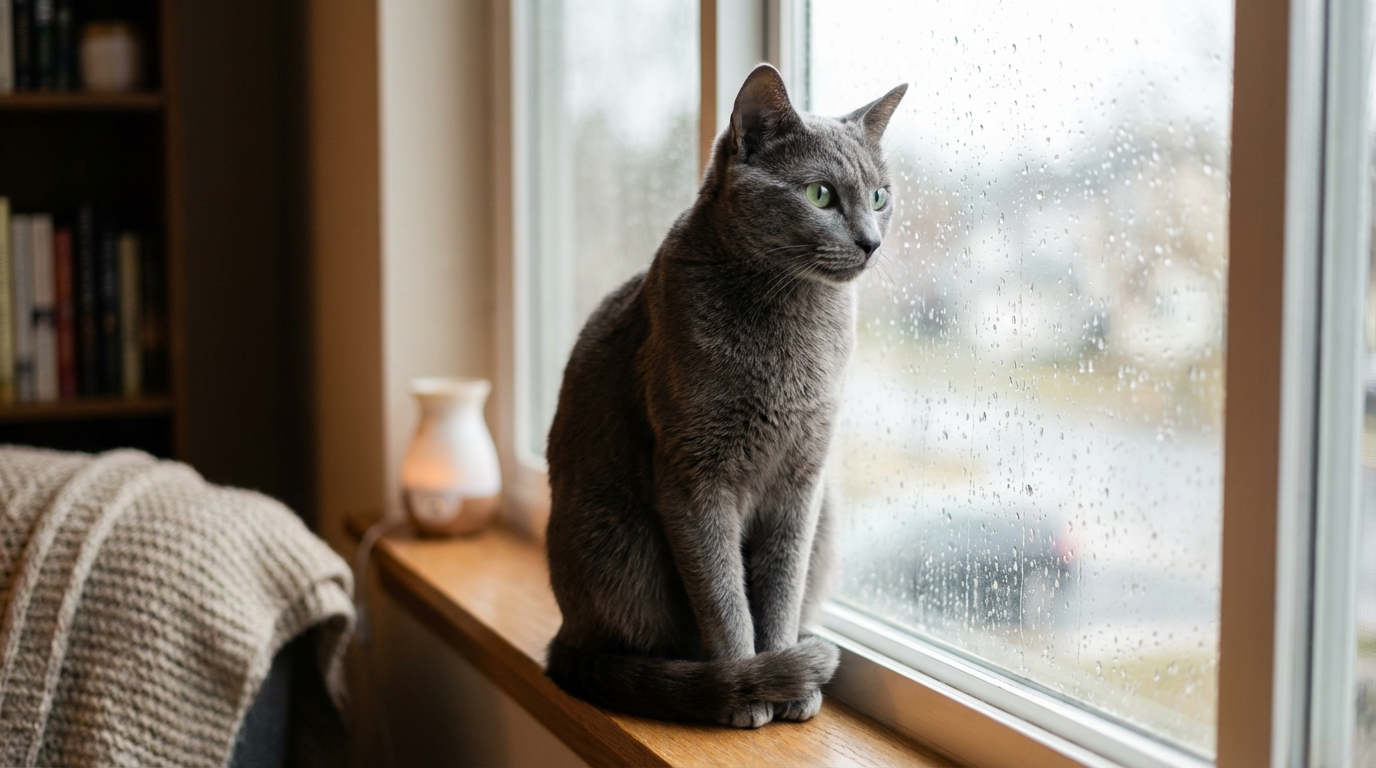
Which one to choose for dogs
Choose Adaptil if your dog is showing stress signs at home such as pacing, whining, unsettled behaviour when left alone, or struggling during storms and fireworks. Many dogs find routine changes hard too—think renovations, house guests, or a new baby.
A diffuser works best when your dog spends a lot of time in one main area (like a living room or open-plan space). If your dog mainly reacts in one “hot spot” (for example, near the front door when you leave), consider setting the diffuser up in that zone to support a calmer baseline.
If your dog’s anxiety comes with destructive behaviour, repeated escape attempts, or ongoing vocalising, it’s still worth using a diffuser—but you’ll usually get better outcomes by combining it with practical management (safe confinement setup, enrichment, predictable departures and arrivals).
Quick tip: Plug the diffuser in where your pet spends the most time, not where the behaviour is most annoying. Calm is built where they rest and recover.
Which one to choose for cats
Choose Feliway if your cat is stressed by environmental or social changes. Common triggers include moving house, introducing another cat, visitors staying over, changes to litter placement, or even neighbourhood cats outside the window.
Stress in cats can look subtle: hiding more than usual, reduced play, scratching in new places, or tension between cats in multi-cat homes. A calming diffuser can help the home feel more predictable, particularly in the main living area or the room your cat uses most.
If you’re managing a multi-cat household, place the diffuser in a shared space where interactions happen, rather than a hallway or laundry. This helps support calmer “together time” around feeding areas, favourite windows, and common walkways.
How to set up a calming diffuser for best results
Getting the setup right matters as much as the brand. These are continuous-use products, so think of them as “set and maintain” rather than a one-off fix.
- Choose the right room: Use the main area your pet spends time in (often the living room). Avoid plugging in behind doors, heavy furniture, or curtains that can block airflow.
- Be consistent: Leave it running daily, particularly during predictable stress windows like summer thunderstorms, holiday visitors, or back-to-school routine shifts.
- Give it time: Many households look for gradual settling over days to a few weeks, rather than expecting an instant change after one hour.
- Support with routine: Pair the diffuser with consistent feeding times, quiet rest zones, and enrichment (sniffing games for dogs; climbing and hiding spots for cats).
Still stuck choosing in the Adaptil vs Feliway decision? Start with species first (dog vs cat), then choose placement based on where your pet relaxes most. The goal is a calmer background, not just “stopping” one behaviour in one corner of the house.
Frequently Asked Questions
Can I use a dog pheromone diffuser for my cat (or vice versa)?
It’s best to use the species-specific product. Dog and cat pheromones are different signals, so swapping them is unlikely to give the intended calming support.
How long should I run a calming diffuser at home?
Most pets do best with continuous use during the stressful period, then ongoing use if triggers are frequent (like regular storms or ongoing renovations). If stress flares up at predictable times, plug it in ahead of those periods rather than waiting for the problem to peak.
Will a diffuser stop barking, scratching, or spraying completely?
It may help reduce stress that contributes to these behaviours, but results vary by pet and situation. For best results, combine it with routine, enrichment, and environmental management.
If you’re ready to choose, explore Adaptil calming diffusers for dogs or Feliway diffusers for cats; if you’re unsure what’s driving the anxiety, chat to your vet.