

Choosing the right food for a cat with urinary problems can make a genuine difference to their comfort and long-term health. A well-planned urinary diet helps manage mineral levels, supports bladder function, and encourages proper hydration. Understanding which nutrients matter — and which to limit — puts you in the best position to help your feline companion thrive.
Why Diet Matters for Feline Urinary Health
Cats are prone to a group of conditions collectively known as feline lower urinary tract disease (FLUTD). Symptoms include straining in the litter tray, frequent urination, blood in urine, and sometimes urinating outside the box. These issues are common across Australian households, particularly in indoor cats with limited exercise.
Diet plays a central role because what your cat eats directly influences urine pH, mineral concentration, and hydration levels. When urine becomes too concentrated or shifts to an unfavourable pH, crystals and stones can form in the bladder. A targeted urinary diet works by controlling these factors before problems escalate.
While some cats experience a single episode, others deal with recurring flare-ups — especially during stressful periods like moving house or changes in routine. Nutrition is one of the most controllable factors in keeping these episodes at bay.
Key Nutrients to Look For
When shopping for cat food that supports urinary function, focus on a few critical nutritional markers. These are the building blocks of any effective urinary-support diet.
Controlled magnesium, phosphorus, and calcium. Excess levels of these minerals contribute to the formation of struvite and calcium oxalate crystals — the two most common types found in cats. Quality urinary diets keep these minerals within a carefully balanced range.
Appropriate protein levels. Moderate, high-quality animal protein supports lean muscle mass without overloading the kidneys. Look for named protein sources (e.g., chicken, fish, or kangaroo) rather than vague meat by-products.
Omega-3 fatty acids. These support the bladder lining and help manage inflammation. Fish oil is a common source in premium cat foods.
Added moisture. Any food that increases your cat's total water intake is beneficial. We'll cover this in detail below.
Wet Food vs Dry Food: Which Is Better?
For cats with urinary concerns, wet food is generally the stronger choice. The reason is simple: hydration. Wet food typically contains 70–80% moisture, whereas dry kibble sits around 10%. Higher water intake dilutes urine, reducing the concentration of minerals that form crystals.
This is especially relevant in warmer Australian climates — from subtropical Queensland summers to the dry inland heat — where cats can become mildly dehydrated without obvious signs. A cat that eats mostly dry food and drinks sparingly may produce highly concentrated urine for hours at a time.
That said, dry food isn't off the table entirely. Some veterinary-formulated dry diets are designed to encourage thirst and promote dilute urine. A mixed feeding approach — combining wet and dry — can also work well for cats that prefer kibble texture.
Quick tip: Add a tablespoon of warm water to your cat's wet food at each meal. Most cats won't notice, and it's an easy way to boost their daily fluid intake without any fuss.
Practical Feeding Tips for Urinary Support
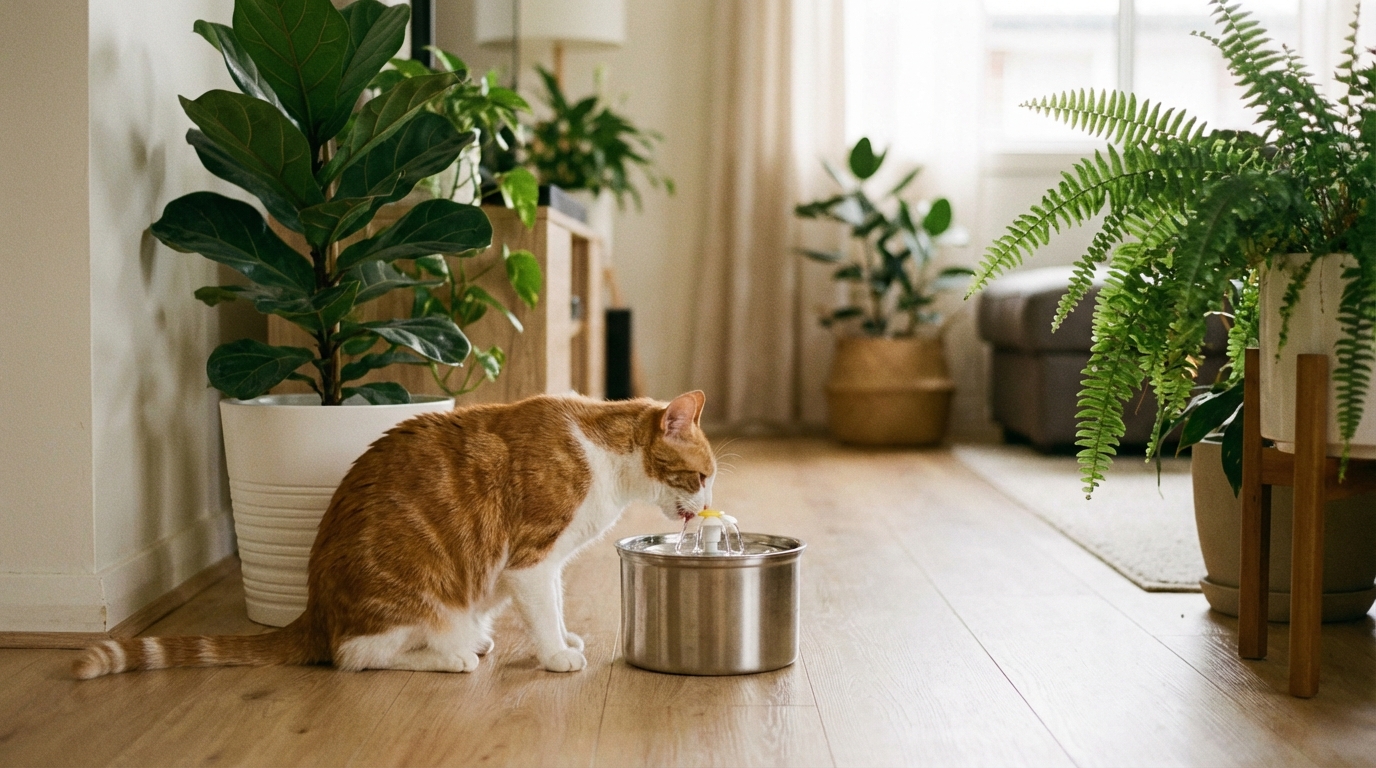
Encourage water intake. Place multiple water bowls around the house, away from food and litter trays. Many cats prefer running water, so a pet drinking fountain can be a worthwhile investment. Fresh water should be changed daily.
Feed smaller, more frequent meals. Two to three smaller meals per day help maintain a more stable urine pH compared to one large meal. This steadier intake reduces the post-meal pH spikes that can promote crystal formation.
Stick to a consistent diet. Sudden food changes can stress the digestive and urinary systems. When transitioning to a new urinary-support food, mix it gradually with the old food over seven to ten days.
Manage stress. Stress is a known trigger for urinary flare-ups in cats. Keep litter trays clean, provide quiet resting spots, and maintain a predictable routine — particularly if you have a multi-cat household.
Monitor litter tray habits. Pay attention to how often your cat urinates, the size of clumps, and any colour changes. Early detection of a problem makes management much easier.
Foods and Ingredients to Avoid
Not all cat foods are created equal, and some can actively worsen urinary issues. When browsing cat products, keep an eye on ingredient panels and guaranteed analyses.
High-ash or high-mineral foods. Cheaper cat foods sometimes contain elevated ash content, which is a general indicator of excess mineral load. While ash itself isn't harmful, disproportionate mineral ratios within it can be problematic for urinary-prone cats.
Excessive plant-based fillers. Large amounts of grain or vegetable fillers can shift urine pH in an alkaline direction, favouring struvite crystal formation. Cats are obligate carnivores, and their urinary systems function best on meat-based diets.
Salty treats and human food. While a small amount of sodium in commercial cat food can encourage drinking, salty table scraps and cheap treats often deliver sodium alongside unhelpful additives. Stick to purpose-made cat treats in moderation.
Raw diets without professional formulation. Home-prepared raw diets can be excellent or disastrous for urinary health depending on the mineral balance. Without precise formulation, it's easy to over- or under-supply key minerals.
Frequently Asked Questions
Can diet alone resolve my cat's urinary problems?
Diet is one of the most powerful tools for managing feline urinary health, but it may not be sufficient on its own in every case. Some cats require additional interventions such as environmental enrichment or medical support. A proper urinary diet, however, significantly reduces the frequency and severity of episodes for most cats.
How quickly will I see improvement after changing my cat's food?
Many cat owners notice changes within two to four weeks of switching to a urinary-support diet. Urine concentration often improves within the first week if wet food and extra water are introduced. Long-term benefits, such as reduced crystal formation, build over several months of consistent feeding.
Is a urinary diet safe for my other cats that don't have urinary issues?
Most urinary-support diets are nutritionally complete and safe for healthy adult cats. The controlled mineral levels and higher moisture content are generally beneficial rather than harmful. However, kittens, pregnant cats, or cats with other health conditions may have different nutritional requirements.
Supporting your cat's urinary health starts with what goes in their bowl. Browse our full range of cat food and treats to find quality options suited to your cat's needs — and if symptoms persist or worsen, have a chat with your vet to rule out underlying conditions.