


Choosing the right FURminator for your dog or cat can turn shedding season from a daily battle into a quick, predictable routine. This buyer’s guide breaks down the most popular FURminator products, who they suit, and how to pick the best match for your pet and your home.
If you’re comparing tools and want a practical FURminator review style rundown, start here.
What a FURminator is (and what it isn’t)
A FURminator is a de-shedding tool designed to lift loose undercoat and hair from certain coat types, helping reduce the amount that ends up on your floors, clothes, and car seats. It’s not the same as a standard brush or comb, and it’s not a clipper—there’s no cutting or trimming intended when used correctly.
Think of it as a targeted tool for undercoat management, especially useful during Australian seasonal coat blow (often in spring and autumn). For short-coated pets, it can still help capture loose hair, but the results depend heavily on coat density and whether an undercoat is present.
If you’re browsing different options, you can view our FURminator range to compare styles and sizes in one place.
How to choose the right tool for coat type
The best results come from matching the tool to your pet’s coat length, coat density, and skin sensitivity. Most people who are disappointed in a FURminator review have simply used the wrong tool (or used it too often).
- Short coat: Best for pets that shed fine, short hairs that stick into fabric. Choose a short-coat option sized to your pet.
- Long coat: Better for pets with longer guard hairs over an undercoat. A long-coat tool helps reach loose undercoat without snagging.
- Double coat/undercoat: These coats usually benefit the most, especially when the undercoat is actively shedding.
- Single coat (little to no undercoat): You may see minimal benefit. A gentle brush or grooming glove can sometimes be a better everyday choice.
Also consider size: a larger head covers more area quickly for big dogs, while a smaller head gives better control around legs, armpits, and the chest.
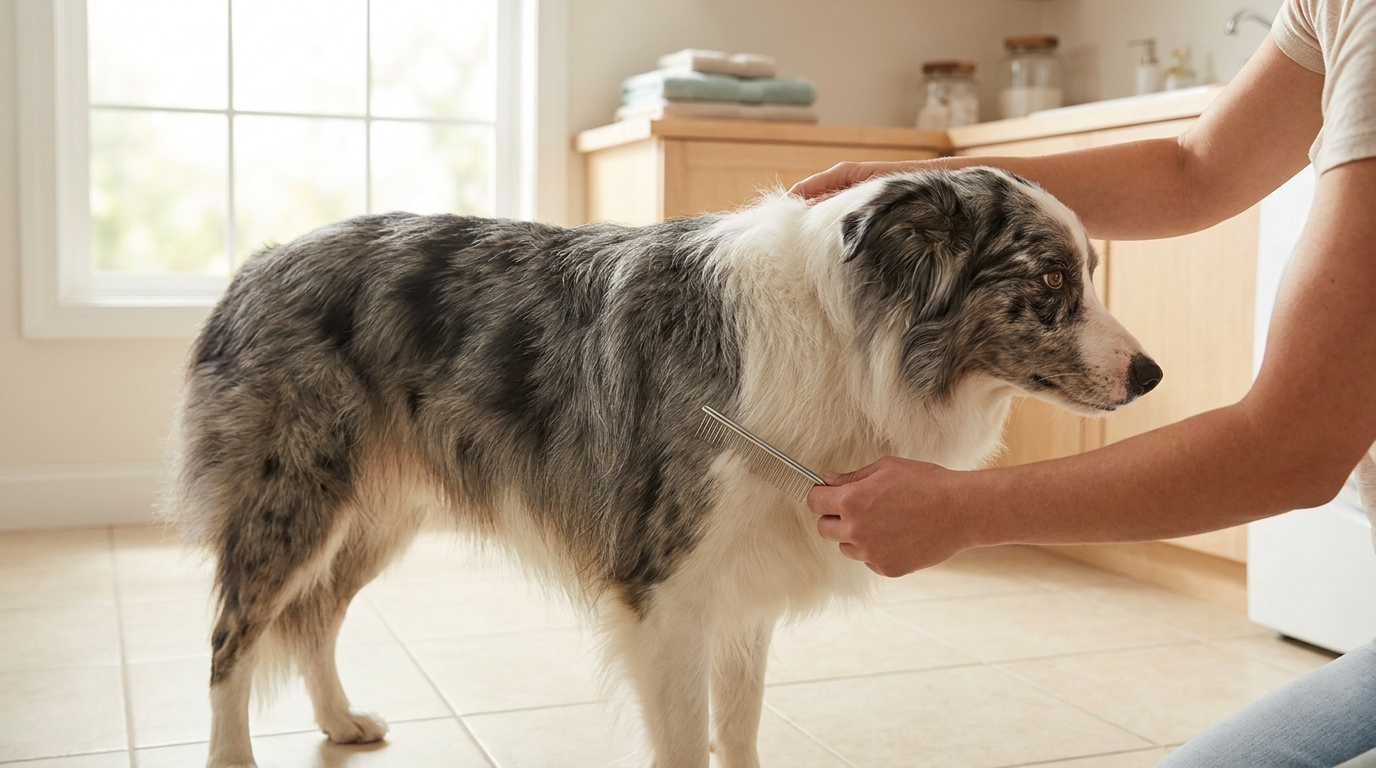
FURminator products range: what you’ll see on the shelf
FURminator products extend beyond the classic de-shedding tool. If you’re building a simple at-home grooming kit, it helps to know what each category is for so you don’t overbuy.
- De-shedding tools: The core range. Choose by coat length and pet size. This is the primary tool for loose undercoat removal.
- Brushes and combs: Useful for daily grooming, detangling, and finishing. Many households use a brush first, then the de-shedding tool second.
- Dematting tools: Designed to tackle mats and knots (common behind ears, under collars, and in feathering). Use with care—mats can be close to the skin.
- Grooming rakes: Often suited to thicker coats and heavier seasonal shedding, helping loosen undercoat before you finish with a de-shedding pass.
- Bath and coat care: Shampoos, conditioners, and coat sprays that can help loosen hair and improve slip, making brushing easier post-bath.
If you’re deciding between multiple items, start with one high-impact tool and add extras only if your pet’s coat needs it. You can browse and compare the full FURminator collection to narrow down what fits your coat type.
Quick tip: For best shedding control, brush when the coat is completely dry and calm—after a walk and toilet break—so your pet is relaxed and less wiggly.
How to use it safely (and get better results)
Technique matters more than pressure. Use light, gentle strokes in the direction of coat growth and let the tool do the work. Pressing harder won’t remove more hair—it can irritate skin and increase the risk of “over-grooming” patches.
- Start with a quick brush-through: Remove surface tangles and debris first, especially on long coats.
- Work in zones: Back, sides, chest, then hindquarters. Keep sessions short for your pet’s comfort.
- Avoid sensitive areas: Face, ears, belly, groin, and any irritated skin should be skipped.
- Watch the coat: If you see redness, dandruff, or your pet becomes uncomfortable, stop and reassess frequency and pressure.
In humid coastal areas (like Brisbane or Sydney), coats can hold moisture and compact more easily; consistent, gentle grooming helps prevent build-up. In cooler regions (like Canberra or Hobart), pets may grow heavier coats seasonally—expect shedding spikes and plan a slightly more regular routine during peak change.
Is it worth it? A practical buying checklist
So, is a FURminator worth it? For many double-coated dogs and shedding-prone cats, yes—because it can reduce loose hair quickly and make routine grooming more efficient. The key is choosing the right model and using it correctly.
- Does your pet have an undercoat? If yes, you’re more likely to see noticeable results.
- Do you want faster clean-ups? Less loose hair on furniture and in the car is a common goal for multi-pet homes.
- Can you commit to short, regular sessions? Consistency beats long, intense grooming.
- Do you need add-ons? Consider a comb for finishing or a rake for heavy seasonal shedding, but don’t assume you need everything.
- Is your pet sensitive? Choose gentle tools, go slow, and prioritise comfort over maximum hair removal.
If you’re comparing models, a good approach is to pick the correct coat-length tool first, then add a brush or comb only if you genuinely need it. This tends to be the most cost-effective path when shopping FURminator products.
Frequently Asked Questions
How often should I use a FURminator on my pet?
It depends on coat type and the season. During heavier shed periods, short sessions a couple of times a week can be plenty; outside those times, many pets do well with less frequent use. If skin looks irritated or your pet seems uncomfortable, scale back.
Can I use it on puppies, kittens, or senior pets?
You can, but keep sessions extra gentle and brief, and avoid any areas with thin skin. For very young pets, focus on calm introduction and light grooming so it becomes a positive routine. Seniors may prefer shorter sessions with more breaks.
Will it help with mats and tangles?
A de-shedding tool isn’t meant to pull through mats. If your pet tangles easily, use a suitable comb or detangling tool first, then finish with a de-shedding pass where the coat is free-moving.
Ready to choose the right tool? Shop our FURminator range and pick the best match for your pet’s coat and shedding level; if your pet has skin issues or an underlying coat condition, chat to your vet.