


Choosing the right supplements for senior pets can make everyday life more comfortable as their bodies change with age. From stiff joints to a fussier tummy or slower thinking, smart support can help protect ageing pet health and keep routines enjoyable.
This guide breaks down the most useful supplement types for joints, brain, and gut—what they do, who they suit, and what to look for on the label.
When to start supplements for older pets
Most pets don’t “suddenly” become seniors—changes creep in gradually. You might notice slower starts on cold mornings, reluctance to jump, restless nights, or more sensitive digestion after treats. That’s usually the right time to consider a targeted supplement, rather than waiting for big setbacks.
Age also varies by size and breed. Many small dogs act youthful longer, while larger breeds often show ageing earlier. The goal with senior dog supplements (and cat equivalents) is steady support: consistent, low-effort routines that suit day-to-day life in Australian conditions, from chilly winter floors to hot summer walks.
Joint support: mobility and comfort
Joint support is often the first place people start with supplements for senior pets. As cartilage and connective tissues age, mobility can feel harder—especially after long naps, in damp weather, or following big play sessions.
Look for these joint-support ingredients:
- Glucosamine and chondroitin to support cartilage structure and joint function.
- Green-lipped mussel (a natural source of fatty acids) for mobility support.
- Omega-3 fatty acids (EPA/DHA) to help manage inflammation associated with ageing joints.
- MSM as a common add-on for connective tissue support.
Choose a format your pet will actually take: chews, powders, or liquids. If your dog is picky, a powder mixed into wet food can be easier than a chew. For cats, tasteless powders or oils tend to be simpler.
Quick tip: Pair joint supplements with practical home tweaks—non-slip mats on tiles, a low ramp for the car, and shorter, more frequent walks can make a noticeable difference.
If your pet is also on flea and tick protection, keep routines separate and consistent so you don’t miss doses—set calendar reminders for both. You can browse supportive care options alongside other essentials in our collections to keep everything organised.
Brain support: cognition and calm
Brain ageing can show up as disorientation, changed sleep patterns, less interest in play, or new anxiety when left alone. Quality brain-focused senior dog supplements aim to support cognition, nervous system function, and healthy ageing in the brain.
Helpful brain-support nutrients to look for:
- DHA (an omega-3) for brain and eye support—often sourced from fish oil or algae.
- Antioxidants (such as vitamins C and E, or other antioxidant blends) to help protect cells from oxidative stress.
- B vitamins to support nervous system health and energy metabolism.
- Medium-chain triglycerides (MCTs) in some senior formulas to support brain energy use.
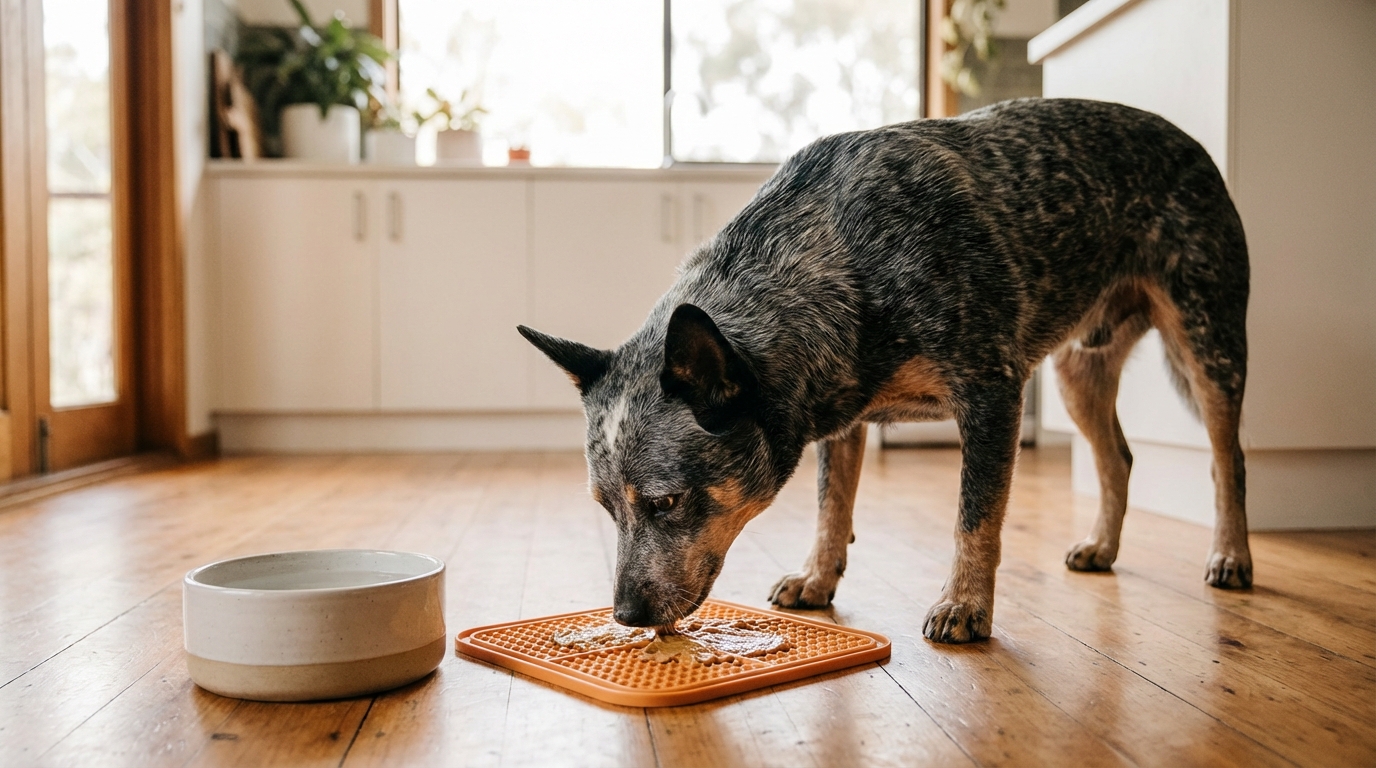
Supplements work best when you also keep the brain engaged. Simple enrichment—snuffle mats, short training refreshers, gentle puzzle feeders—supports ageing pet health without overdoing it physically.
When you’re updating your senior routine, it’s also a good time to review your parasite prevention plan. A healthy ageing pet still needs reliable protection year-round in Australia’s climate—especially in warm, humid regions where fleas thrive.
Gut support: digestion and immunity
The gut affects far more than stools. In older pets, digestive changes can lead to gas, inconsistent poos, lower appetite, or sensitivities to foods they used to handle. Because the gut and immune system are closely linked, supporting digestion can help overall resilience.
Common gut-support supplement types:
- Probiotics (beneficial microbes) to help maintain a balanced microbiome.
- Prebiotics (fibres that feed good bacteria) to support gut consistency.
- Digestive enzymes for pets that struggle with certain foods (best chosen carefully and introduced slowly).
- Fibre supplements to support stool quality and regularity.
If your pet has a sensitive tummy, introduce one new supplement at a time. That way, if something doesn’t agree, you’ll know what caused it. Also consider seasonality—holiday treats, barbecue scraps, or sudden diet changes in summer can quickly upset a senior gut.
For households managing multiple needs (joints + gut, or brain + gut), prioritise the biggest day-to-day issue first, then build from there. This approach keeps supplement routines realistic and easier to stick to.
How to choose and use supplements safely
Not all supplements are equal, and “more” isn’t automatically better. The best results usually come from choosing a clear goal, selecting a product made for pets, and using it consistently.
A practical checklist for choosing supplements:
- Match the supplement to the symptom (mobility, cognition, digestion) rather than buying a little of everything.
- Check ingredient transparency and avoid vague “proprietary blend” labels if you can’t confirm what’s inside.
- Pick a suitable format (chew, oil, capsule, powder) based on what your pet will reliably take.
- Introduce gradually and watch for tummy upset or changes in appetite, especially with oils.
- Consider interactions if your pet already uses multiple products (including calming aids or special diets).
Many people searching for supplements senior pets end up disappointed because they swap products too quickly. Give changes time, keep notes on energy, mobility, stools, and sleep, and aim for simple routines you can maintain long-term.
To streamline your pet-care shopping, you can group recurring essentials (like prevention and supportive care) through our collections and set reminders so nothing gets missed.
Frequently Asked Questions
Can my older pet take joint, brain, and gut supplements together?
Often yes, but it’s best to add one at a time so you can track what helps and what doesn’t suit your pet. Start with the area that affects daily comfort most (usually mobility or digestion), then build a simple routine.
How long does it take to notice a difference with senior supplements?
Some gut-support products may show changes sooner, while joint and brain support typically require consistent use over time. Keep notes weekly and look for small improvements like easier rising, steadier stools, or better sleep.
What’s the easiest supplement format for fussy senior pets?
For many pets, powders mixed into wet food or oils drizzled over meals are easiest to hide. Soft chews can work well for dogs who like treats, but picky eaters often do better with low-smell options.
Ready to support your pet’s golden years? Browse our collections to find practical options for joint, brain, and gut support, and if you’re unsure what best fits your pet’s needs, chat to your vet.