


When your cat is hiding, overgrooming, or acting jumpy, it’s tempting to grab whatever promises fast relief. The best calming supplements for cats can support relaxation during common stress triggers, but not every option is worth your money. Here’s how to choose a sensible cat anxiety treatment plan, including what helps, what’s hype, and what to avoid.
Signs your cat may need calming support
Cats rarely look “anxious” in the way dogs do. Stress often shows up as subtle behaviour changes that owners chalk up to “moodiness”. If you’re considering calming supplements for cats, start by checking whether the behaviour fits a stress pattern rather than a one-off bad day.
- Hiding or avoiding people, other pets, or certain rooms
- Overgrooming (especially belly/legs) or sudden shedding patches
- Changes in toileting, including outside the litter tray
- Vocalising more, especially at night
- Startle responses, pacing, or clinginess
Common triggers in Australia include summer storms, fireworks, visitors over the holidays, moving house, renovations, and introducing a new pet. If symptoms are sudden or severe, don’t assume it’s “just anxiety” — rule out pain or medical causes first.
What calming ingredients tend to work
The most useful products for a natural calming cat approach usually focus on predictable, well-studied ingredients that support relaxation without making your cat seem “drugged”. Look for clear labelling, single-ingredient transparency, and reputable manufacturing standards.
- L-theanine: An amino acid often used to support calm focus during stressful events like travel, vet visits, or household changes.
- Alpha-casozepine (milk protein hydrolysate): Commonly used for situational stress; many owners find it helpful during transitions.
- Tryptophan: A building block involved in normal serotonin pathways; usually positioned as support for emotional balance.
- Probiotics formulated for stress: Gut-brain support is a real consideration in cats; choose strains intended for behavioural stress, not generic “digestive support”.
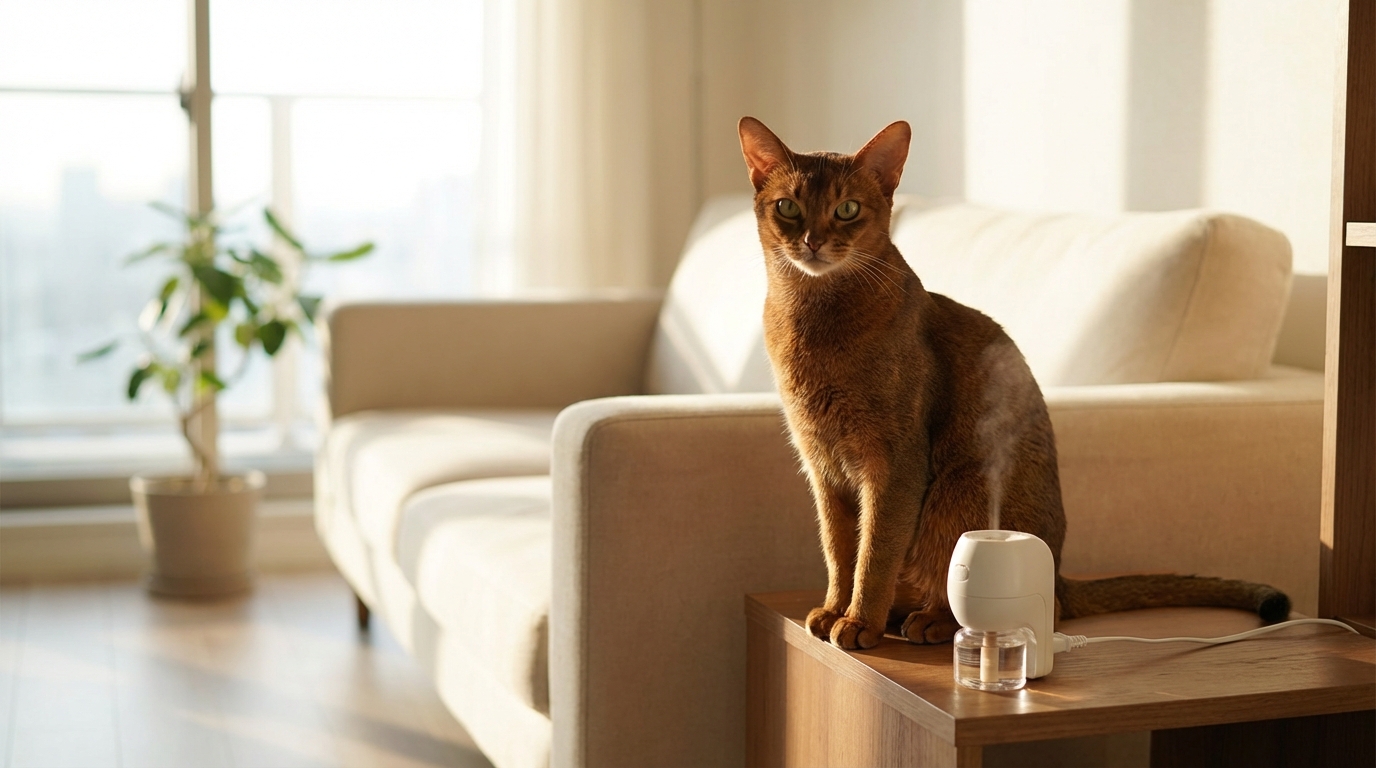
For environmental stress (new home, new baby, other cats), pheromone-based options can be a strong first line. Consider pairing supplements with a diffuser or spray from Feliway to help your cat feel safer in their space.
Choosing the right format: chews, powders, treats or diffusers
The “best” option is the one your cat will reliably take. Many cats refuse tablets, so format matters just as much as ingredients when you’re building a practical cat anxiety treatment plan.
- Powders: Easy to mix into wet food, but can be rejected by picky eaters if the smell is noticeable.
- Chews or soft bites: Convenient, but some cats won’t accept chew textures (more common in dogs).
- Treat-style calming bites: Useful for positive association (carrier training, visitors), but watch the extra calories for indoor cats.
- Pheromone diffusers/sprays: Great for multi-cat households or ongoing home stress because they don’t rely on swallowing anything.
Quick tip: If your cat is stressed about the carrier, start “carrier treats” on calm days. Feed a small treat inside the carrier daily for a week before travel, then add your calming support on the day.
For many households, a combined plan works best: use a supplement for the cat, and use Feliway in the room where your cat spends the most time. That two-pronged approach supports both the cat’s internal response and their environment.
What to avoid (and common mistakes)
Not all calming products are created equal. Some are simply under-dosed, poorly formulated, or rely on ingredients that don’t suit cats. If you want calming supplements for cats that actually help, avoid these traps.
- Essential oils for “calming”: Many oils can be irritating or unsafe for cats, especially when diffused or applied to bedding. Skip DIY oil blends entirely.
- Human supplements: Human gummies, capsules, and liquids may contain sweeteners, flavourings, or additives that aren’t cat-friendly.
- Products with vague “proprietary blends”: If you can’t see what’s inside and why it’s there, you can’t judge quality.
- Sedation-as-success: A good calming plan supports normal behaviour. If your cat seems unusually flat, uncoordinated, or not themselves, stop and reassess.
- Changing too many things at once: New litter, new food, new supplement, new diffuser all in the same week makes it hard to tell what helped (or caused a reaction).
Also, don’t ignore the basics: scratching posts, hiding spots, predictable feeding times, and enough litter trays (especially in multi-cat homes) are “free” stress reducers that make any natural calming cat strategy work better.
How to get better results with a simple routine
Calming support works best when you match the solution to the type of stress: situational (storms, vet, guests) versus ongoing (household tension, new pet, building works). Decide which you’re dealing with first.
- For situational stress: Keep a “calm kit” ready (carrier training, familiar blanket, calming chew/powder, and a pheromone spray).
- For ongoing stress: Choose one daily supplement, add environmental support (diffuser), and stabilise routines (play, feed, sleep).
- For multi-cat tension: Add vertical space, separate resources (bowls, beds, litter trays), and give each cat a safe room.
Track changes for two weeks in a simple note on your phone: hiding time, grooming, appetite, litter tray use, and any trigger events (storms, visitors). This helps you judge whether your cat anxiety treatment plan is improving day-to-day comfort, not just masking symptoms.
Frequently Asked Questions
Are calming supplements safe for kittens?
It depends on the product and the kitten’s age and weight range listed on the label. Choose a cat-specific product with clear guidance and avoid human supplements or essential oils.
How do I choose between supplements and pheromone diffusers?
If the stress is tied to the home environment (moving, new pet, renovations), pheromones are often a great first step. For specific events like travel or vet visits, a supplement can be easier to use short-term, and many owners use both together.
Will a “natural” calming product stop my cat from spraying or toileting outside the litter tray?
It may help if stress is a factor, but toileting changes can also signal territory issues, litter tray problems, or medical concerns. Address environment and litter setup alongside calming support for the best chance of improvement.
If you’re ready to reduce household stress, explore pheromone support from Feliway alongside a quality supplement plan. For persistent or worrying behaviour changes, chat to your vet at the end of your two-week tracking period.